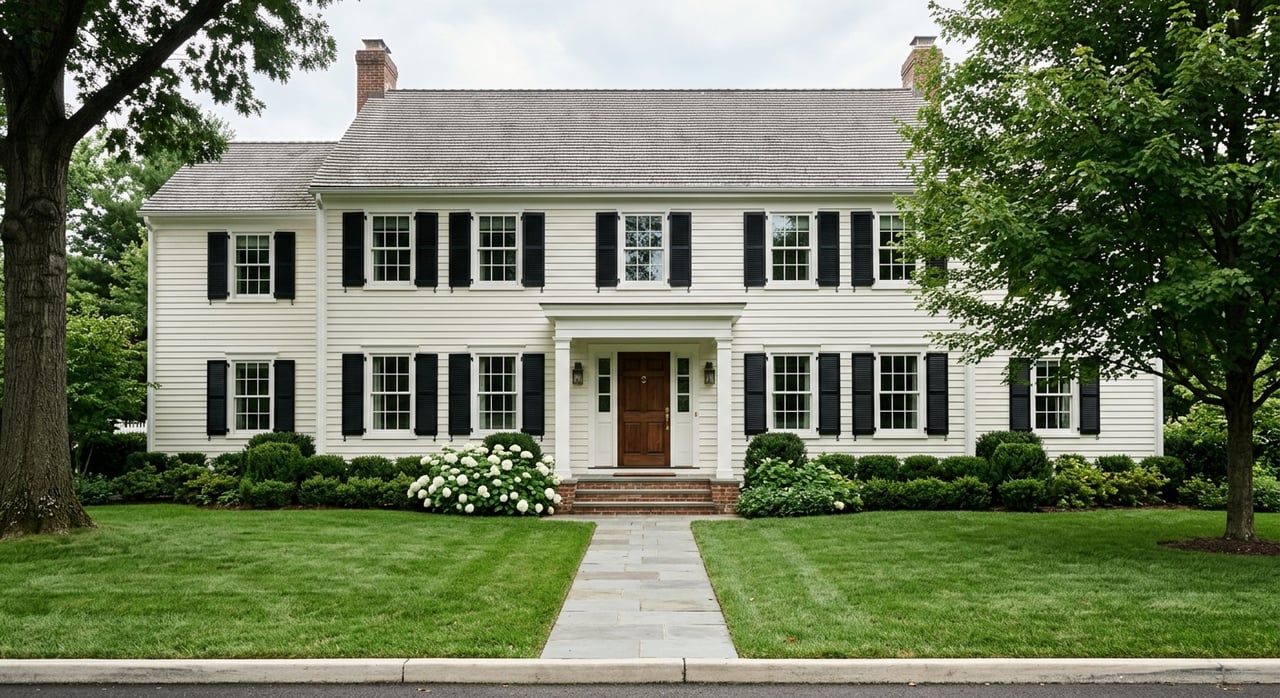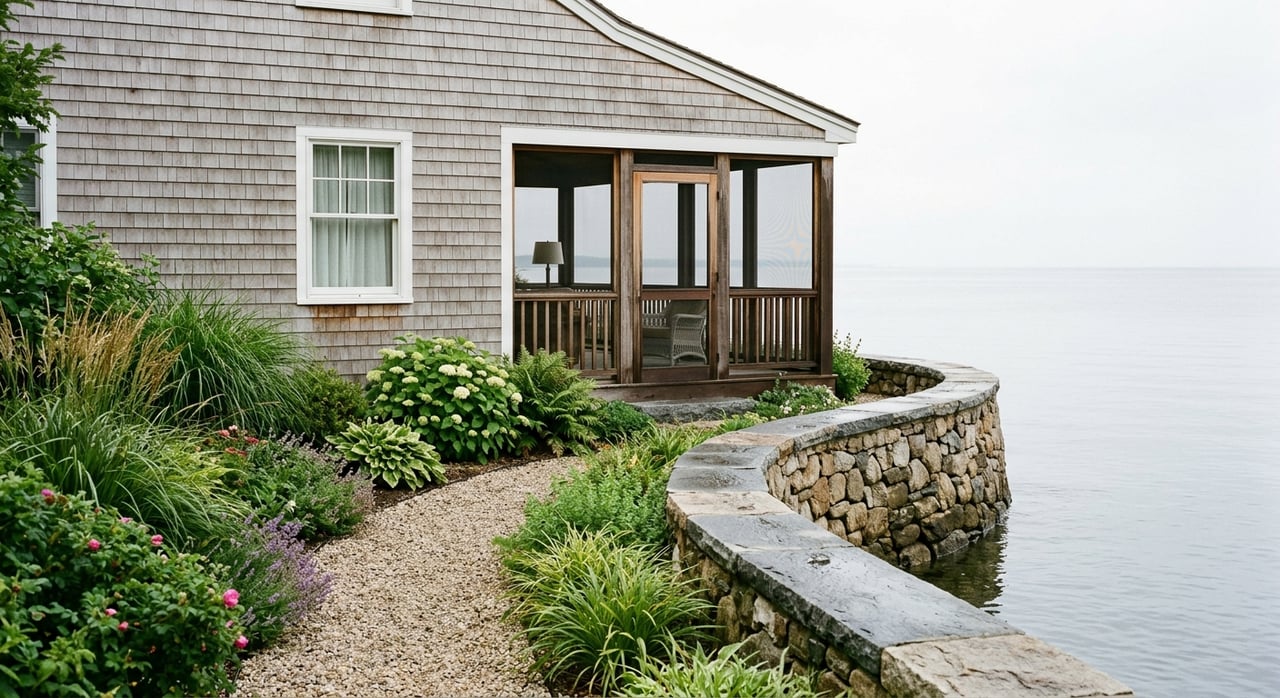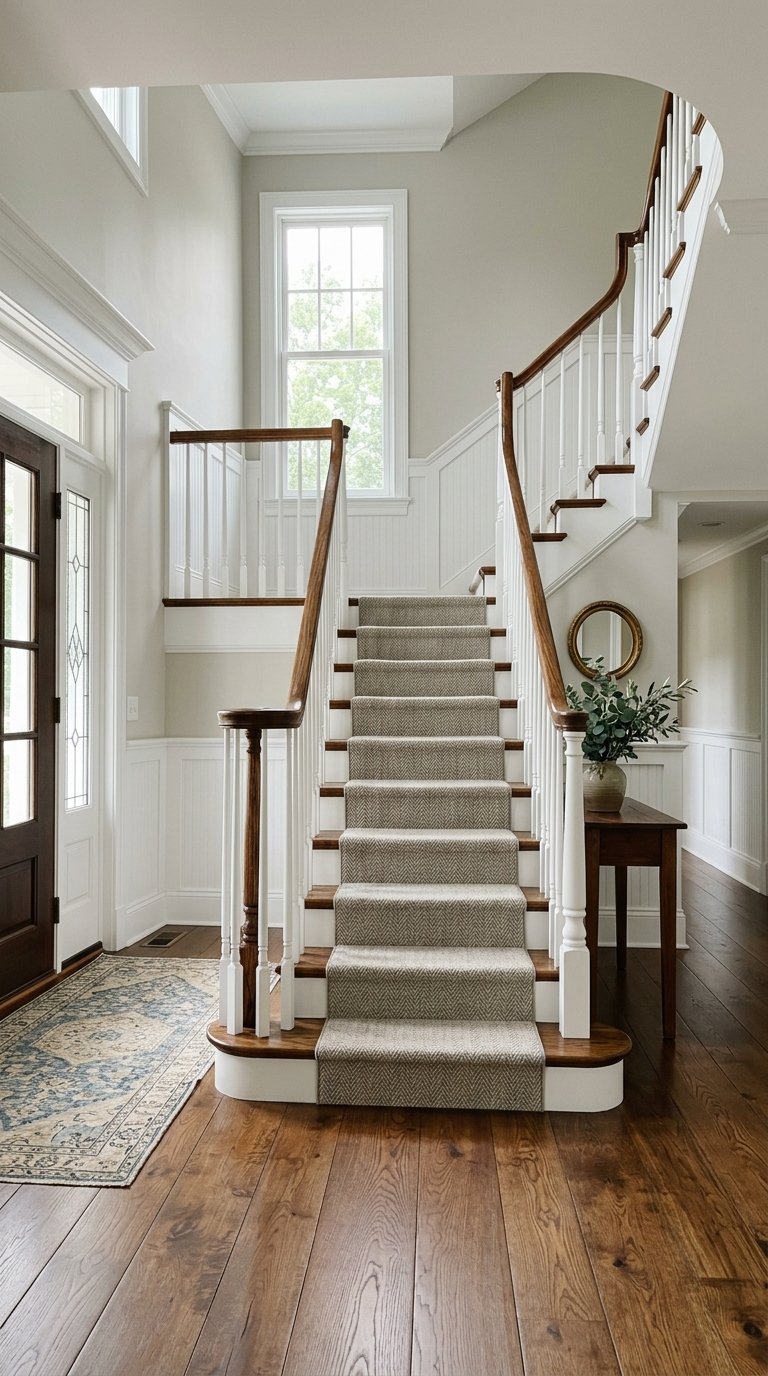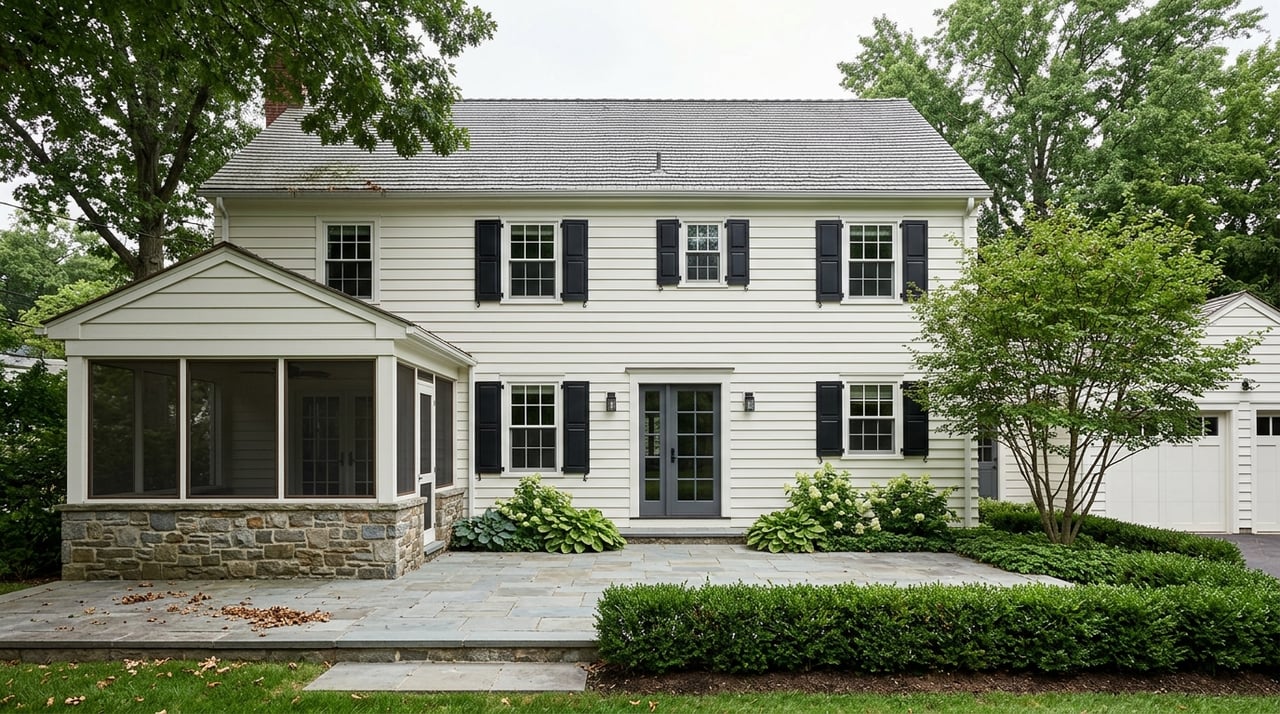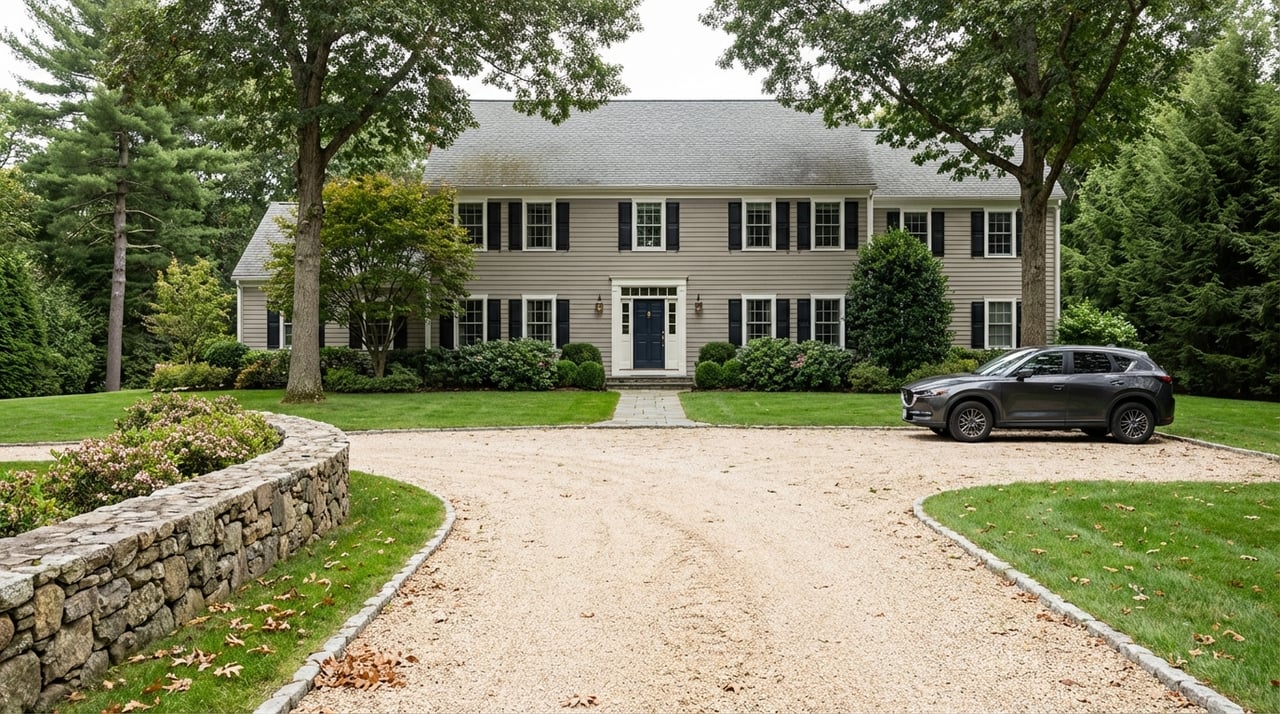
Picture quiet mornings, long driveways, and acres of trees that change with the seasons. If you are drawn to space, privacy, and a slower daily rhythm, Back-Country Greenwich might be what you imagine when you think “country” living close to New York City. This guide explains what “country” really means here, from lot sizes and conservation land to clubs, commutes, and daily tradeoffs, so you can decide if it fits your life. Let’s dive in.
Back-Country Greenwich basics
Back-Country Greenwich is the northern part of town, generally north of the Merritt Parkway. The landscape is wooded and low density, with long stretches of stone walls and larger private parcels. You will also find some of Greenwich’s most notable estate communities, including Conyers Farm, which is well known for expansive properties and private roads.
That country feel is not just mood or marketing. It is shaped by town zoning and a long track record of land conservation. Understanding those two pillars will help you picture life here day to day.
Zoning that shapes the landscape
Much of Back-Country Greenwich is governed by large-lot residential zoning. In the Town of Greenwich Building Zone Regulations, the RA-4 district stands for a 4-Acre Residence zone. These rules, along with related conservation classifications, create wide spacing between homes and an estate-scale streetscape. You can review the official standards in the town’s current Building Zone Regulations.
If you are considering private associations, Conyers Farm is the best-known extreme. Many lots there are 10 acres or more, and the association maintains private roads, riding paths, open tracts, and community covenants. It is a useful reference point if you want maximum space and privacy with controlled amenities.
Nature and conserved land nearby
Back-Country Greenwich is rich in conserved open space, which functions as your neighborhood greenbelt.
- Audubon Greenwich manages multiple sanctuaries and trails anchored by its main center on Riversville Road. The Kimberlin Nature Education Center and surrounding paths offer year-round birding and quiet hikes. Learn more about the preserves on the Audubon Greenwich site.
- The Greenwich Land Trust stewards a growing network of preserves across town. The trust reports protecting about 1,012 acres across 80-plus preserves, which helps keep large green corridors intact. See the scope of this work on the Greenwich Land Trust overview.
For you, this means trails, seasonal wildlife, and a true country backdrop are part of everyday life, not just weekend outings.
Clubs and equestrian life
Back-Country leisure revolves around golf, riding, and open-air gatherings.
- Golf and country clubs: Residents often belong to private clubs such as Stanwich Club, Tamarack Country Club, or Fairview Country Club. Greenwich also operates a popular public course, the Griffith E. Harris Memorial Golf Course, known locally as “the Griff.”
- Horses and polo: Greenwich has a deep equestrian tradition, with riding associations, mapped bridle trails, and the Greenwich Polo Club hosting seasonal matches. Private barns are common on larger parcels, and riding lanes make it easy to get out for a hack without trailering.
These anchors give you social and sporting options close to home, furthering the country feel without leaving town.
Daily rhythm and tradeoffs
Back-Country living is equal parts serenity and practicality. Here is what that looks like in real life.
Privacy and space
Large lots mean quieter days, more distance from neighbors, and room for property-scale amenities. Pools, gardens, and guest houses are common on many parcels. Neighborhood associations in the area often host low-key events that let you connect with neighbors while preserving privacy.
Driving and errands
The backcountry is not a retail village. You will find a few small services and markets, but most grocery runs, restaurants, and boutiques are in the village centers of Greenwich, Cos Cob, Riverside, and Old Greenwich. Expect to rely on your car for daily errands.
Commutes you can plan
Door-to-door travel to Manhattan varies. From far-north Greenwich, drive times can range widely with traffic. Many residents prefer Metro-North from stations in Greenwich, Cos Cob, Riverside, or Old Greenwich, where scheduled express trains to Grand Central commonly run about 45 to 60 minutes depending on the train and time of day. The smartest move is to do a timed test of your likely commute at your typical hours and compare both drive and train.
Ownership and services to consider
Country-scale properties come with country-scale logistics. Plan ahead for:
- Utilities and systems: Some homes use private wells and septic systems. Ask for well reports, septic design and capacity, and recent maintenance history. Broadband availability can also vary by street, so confirm providers and speeds in advance.
- Roads and snow: Long driveways and private roads mean you may handle your own snow removal and road maintenance. If the property is within an association, review the road agreements and fees.
- Associations and security: In communities like Conyers Farm and similar private associations, factor in covenants, annual dues, and any security arrangements.
- Emergency services: Response times can be longer in certain pockets than in denser parts of town. Make sure driveway access and house numbering are clear and well lit.
To verify zoning or property-specific questions, the Town’s Building Zone Regulations and Planning and Zoning staff are reliable starting points.
Who thrives here
Back-Country Greenwich draws buyers who value privacy, acreage, and a closer connection to the outdoors. If you want room for horses, extensive gardens, multi-generational space, or a full set of on-site amenities, it is a natural fit. Because large lots and limited supply define the area, properties here tend to sit at the higher end of Greenwich pricing. Instead of relying on broad town medians, look at recent comparable sales within the backcountry and the specifics of each property’s acreage, condition, and association context.
If you are weighing the tradeoff between more driving and more space, sample the routine. Spend a weekend in the area, drive your actual errands, and test your commute. You will know quickly if the rhythm matches your goals.
Quick checklist before you buy
Use this short list to focus your due diligence:
- Confirm the property’s zoning and any overlays or conservation restrictions with the Town of Greenwich. Start with the official Building Zone Regulations.
- If the home is in a private association, request covenants, road maintenance agreements, security details, and current dues.
- Test the commute twice at your usual times, both by car and by train, and record door-to-door times.
- Verify public school assignment by property address on official town or district resources. The Planning and Zoning Commission page is a good municipal entry point for town contacts.
- For wells and septic, obtain recent reports, design specs, and capacity data. Confirm utility easements and available internet providers.
A day in the life
Morning starts on a woodland trail, where you might spot a hawk near the Audubon preserves before coffee. Midday errands mean a short drive to village centers for groceries and a quick bite. In the afternoon, you meet a contractor about a garden project or saddle up for a ride on nearby bridle paths. Evening is flexible. You can catch an express train to the city for a dinner meeting, or stay in and unwind by the pool, listening to wind in the trees. The schedule is yours, but the theme is the same: room to breathe and time outside, with services and culture just a drive away.
Ready for a guided tour?
If Back-Country Greenwich sounds like your pace, you deserve a plan tailored to your lifestyle, commute, and budget. As a boutique team with development-grade advisory, we can help you compare parcels, source on and off-market options, and evaluate feasibility for renovations or amenities like pools, barns, and guest spaces. Start with a conversation. Reach out to Capeci and Schwabe to request a complimentary consultation.
FAQs
What defines Back-Country Greenwich versus other areas?
- It is the northern section of Greenwich, generally north of the Merritt Parkway, characterized by large-lot residential zoning and extensive conserved open space.
How big are typical lots in Back-Country Greenwich?
- Many properties fall under RA-4 zoning, which is a 4-acre residence district, and some private associations, such as Conyers Farm, include lots of 10 acres or more.
Can you commute to Manhattan from Back-Country Greenwich?
- Yes. Door-to-door times vary; many residents use Metro-North, where express trains to Grand Central commonly take about 45 to 60 minutes depending on the schedule.
What daily tradeoffs should you expect living there?
- You get quiet, privacy, and acreage, but you rely more on cars for errands and have longer drives to shops, restaurants, and train stations.
What community amenities are nearby in the backcountry?
- Trails and sanctuaries managed by Audubon Greenwich, preserves stewarded by the Greenwich Land Trust, multiple golf and country clubs, and an active equestrian scene including bridle trails and seasonal polo.
What should you verify before making an offer?
- Confirm zoning, association covenants, well and septic details, road and snow responsibilities, broadband options, school assignment by address, and commute times at your typical hours.