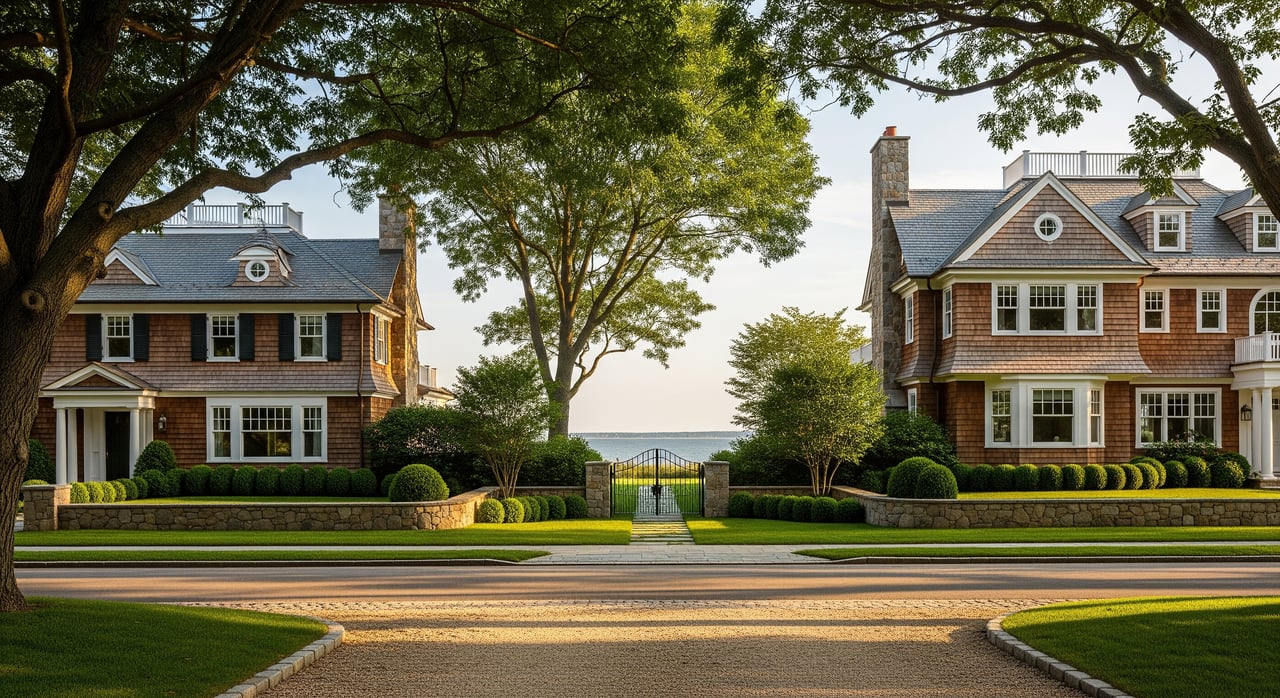
Trying to decide between Old Greenwich and Riverside, but every listing starts to blur together? You are not alone. Both neighborhoods offer coastal living, strong schools, and easy rail access, yet day-to-day life can feel very different block to block. In this guide, you will compare lifestyle, commute, housing types, and risk factors, then use a simple checklist to choose with confidence. Let’s dive in.
Neighborhood snapshots
Old Greenwich at a glance
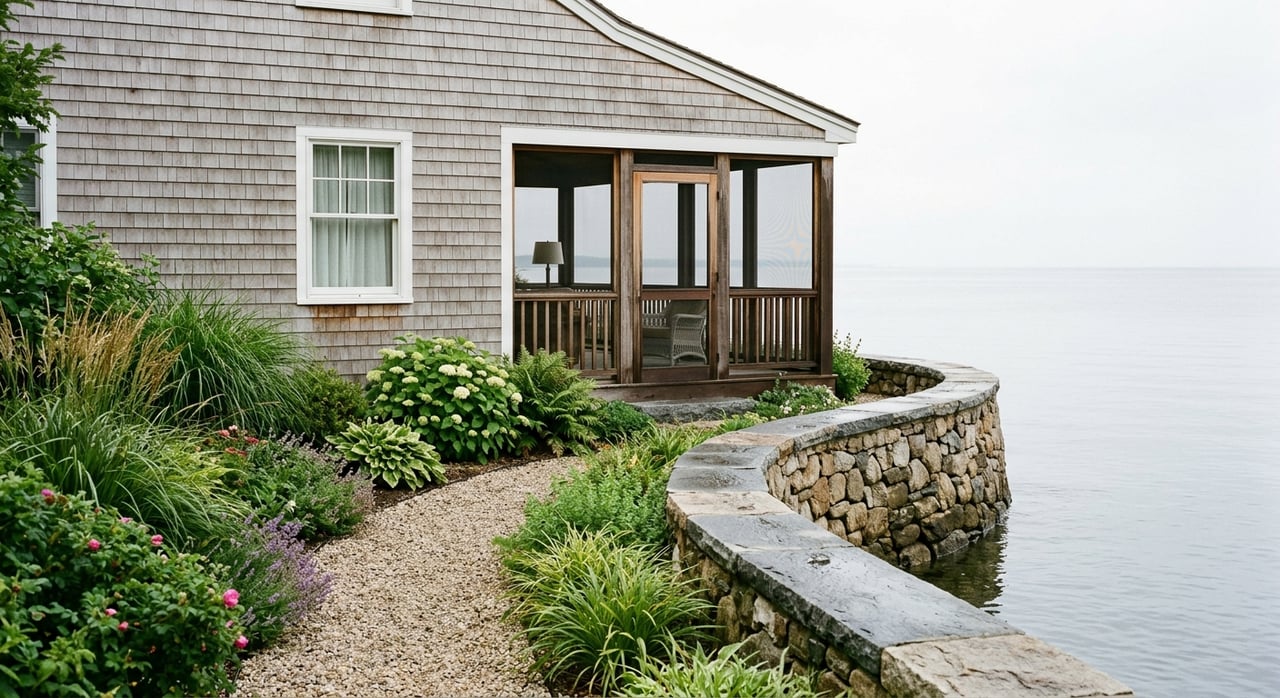
Old Greenwich sits beside the Long Island Sound with a compact village and direct access to Greenwich Point Park, also called Tod’s Point. The village core packs cafés, restaurants, and daily conveniences into an easy stroll for nearby streets. Summer activity around the beach and park shapes the rhythm of life. If you value a small-scale coastal vibe and frequent beach time, Old Greenwich often delivers that feel.
Riverside at a glance
Riverside lies just east of Old Greenwich along the Metro-North New Haven Line, with a village cluster near the train station and additional services along Post Road. Many residential streets are quiet and more traditionally suburban, with a mix of shoreline and inland options. The area attracts buyers who want commuter convenience and a calmer residential pattern while staying close to the water.
Walkability and village feel
Walkability in both neighborhoods varies by exact address. In Old Greenwich, homes near the village and shoreline often have short walks to shops and Greenwich Point. In Riverside, you will find walkable pockets around the train station and Post Road, but many side streets are car-oriented for errands.
For any property you consider, check the address-level metrics on Walk Score and confirm sidewalk coverage, intersection safety, and the number of everyday stops within a 5 to 10 minute walk. A few blocks can change daily routines, so treat walkability as address-specific rather than neighborhood-wide.
Beach and park access
Greenwich Point Park is the signature amenity that defines Old Greenwich’s coastal lifestyle. The park offers beaches and trails, and it operates with seasonal rules, parking regulations, and permits managed by the Town of Greenwich. Families who plan to use the beach weekly tend to prioritize proximity and parking practicality.
Riverside has shoreline pockets and smaller parks, and some areas offer private or association access. If you expect to head to the beach daily in summer or walk there on weekends, being within a comfortable walk or short bike ride to Greenwich Point is a major differentiator. If you prefer quieter streets and occasional beach visits, Riverside or inland Old Greenwich can be a better fit.
Before you plan a beach routine, review the Town’s current seasonal hours, park access, and permit details on the Parks and Recreation pages, and confirm resident versus non-resident rules. Policies change year to year, so factor rules and parking into your decision.
Train access and your commute
Both neighborhoods have their own Metro-North New Haven Line stations, Old Greenwich and Riverside. The exact address matters: your door-to-door commute time depends on your walk to the station or your ability to get a parking permit, plus the specific trains that stop at your station at the times you ride.
- Check which peak and off-peak trains stop at each station on the MTA Metro-North Railroad.
- If you plan to drive and park, confirm station parking rules and permit waitlists with the Town of Greenwich.
- Time your full door-to-door route, including the station walk or drop-off, platform wait, train ride, and any transfers.
Small differences add up. If two homes feel similar, the one with a shorter, more predictable commute can win the tie.
Housing styles and lot sizes
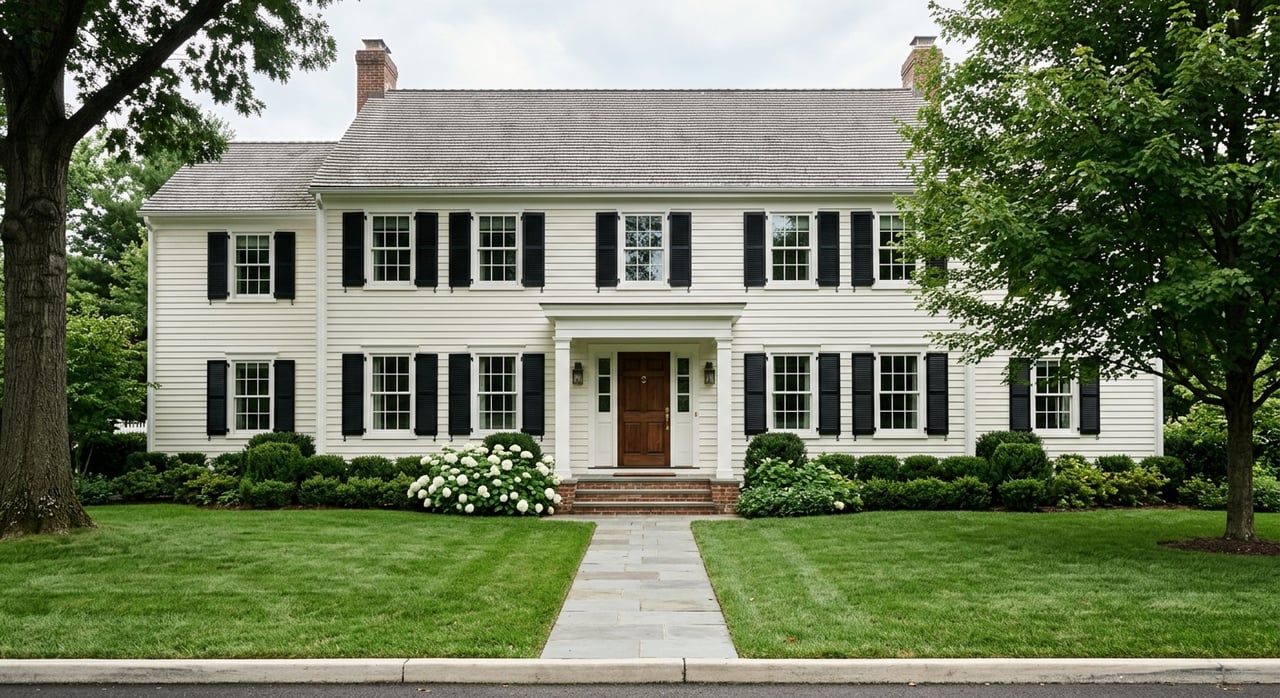
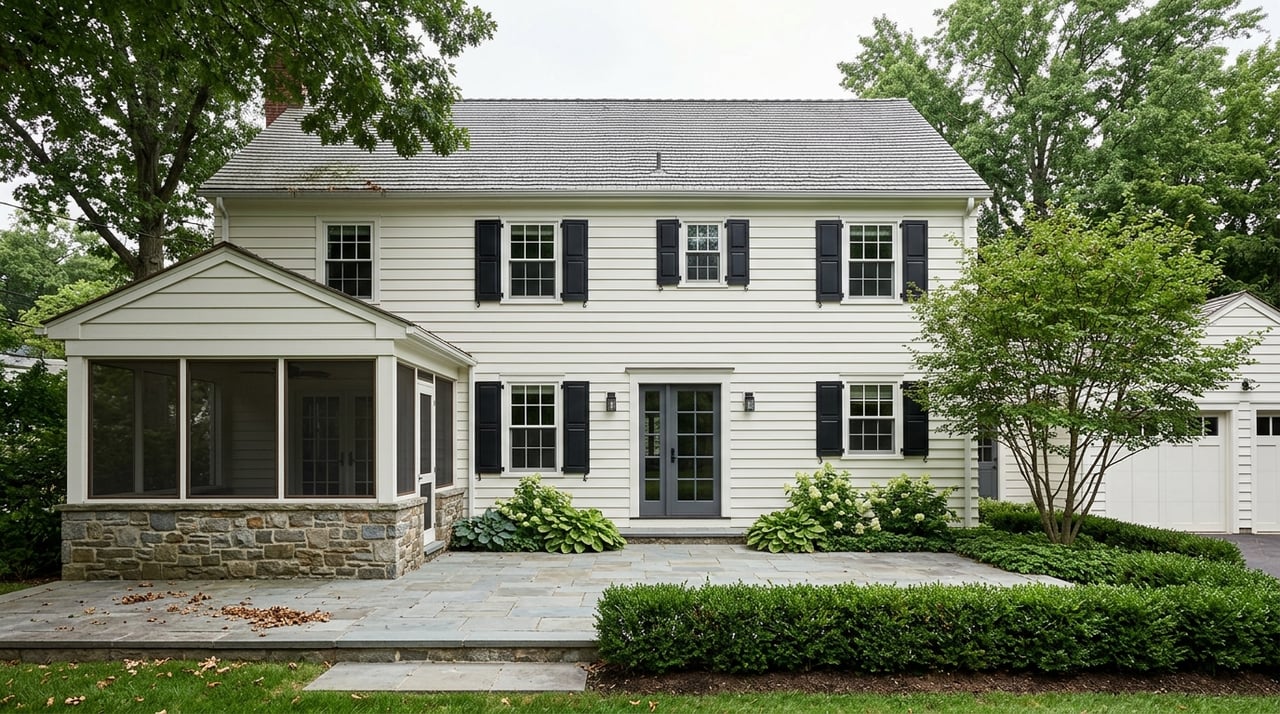
Both neighborhoods sit within the broader Greenwich market, which carries high price points relative to the region. You will see a mix of shingle-style cottages, colonials, mid-century homes, and newer construction. In Old Greenwich, coastal-adjacent and village-proximate lots can be smaller, which supports a more walkable pattern. Riverside offers a wide variety, including larger inland lots and newer builds where teardown activity has occurred.
Waterfront proximity and walk-to-village locations typically command a premium. If a larger yard and quieter interior streets are your top priorities, Riverside and inland Old Greenwich are strong candidates. If daily beach walks and a lively village are central to your routine, you may lean toward Old Greenwich near the water and village core.
Flood risk, insurance, and resilience
Coastal properties can fall within FEMA flood zones, which affects building requirements, insurance costs, and long-term risk. Before you get attached to any shoreline home, run these checks:
- Look up the property on the FEMA Flood Map Service Center to verify flood zone and Base Flood Elevation.
- Review long-range exposure with the NOAA Sea Level Rise Viewer for broader context.
- Request preliminary flood insurance quotes from both the National Flood Insurance Program and private carriers. Start with FEMA’s overview of the National Flood Insurance Program.
Coastal exposure may increase maintenance due to salt air and storms, which is a tradeoff some buyers accept for the location and lifestyle. If you want to minimize flood exposure and upkeep, consider inland Riverside or inland Old Greenwich.
Price and resale patterns
Market dynamics vary by block, but a few patterns are common. Waterfront or direct beach adjacency commands a premium, and walkable village locations are consistently sought after. Riverside often offers more inland options that can include larger lots or newer homes at similar or sometimes slightly lower prices than prime, water-adjacent Old Greenwich. The micro-market matters. Always compare recent, hyperlocal sales near the specific property you are considering.
From a resale standpoint, buyers place a premium on a few things that hold up well over time: proximity to the station, walkability, beach access, and well-executed renovations that reduce maintenance. Balance list price with operating costs, including potential flood insurance, utilities, and ongoing upkeep.
Family lifestyle trade-offs
If your week revolves around playgrounds, beach days, and a short walk to coffee and errands, Old Greenwich near the village often fits that rhythm. If you prioritize larger outdoor space, a quieter street grid, and a straightforward commute routine, Riverside or inland Old Greenwich can be appealing. Both neighborhoods fall within Greenwich Public Schools, which has a long-standing regional reputation for strong performance. Always confirm the assigned schools for a specific address using Greenwich Public Schools, since boundaries can vary.
For childcare, healthcare, and recreation, you will find options across the Town. The difference is usually distance and convenience from your specific block, not whether services exist.
Decision checklist
Use these quick questions to point you in the right direction:
- How important is frequent, easy beach access? If daily or weekly beach time and a short walk to Greenwich Point are essential, prioritize Old Greenwich homes within walking or biking distance of the park and village.
- Do you want a compact village scene or a quieter suburban pattern? For a concentrated village feel, look to Old Greenwich. For station-adjacent convenience or calmer residential streets, explore Riverside.
- Is the shortest possible commute critical? Time door-to-door routes for specific addresses. Either neighborhood can work for commuters, and the exact street often decides the winner.
- What housing style and lot size do you prefer? Old Greenwich near the water leans smaller-lot coastal cottages. Riverside and inland options may offer larger lots or newer construction.
- How much flood risk are you comfortable with? For less coastal exposure, look inland in either neighborhood. If you accept higher insurance and maintenance for a beach lifestyle, continue to target shoreline homes.
Property checks before you offer
Run these practical checks on any shortlist property:
- Address-level Walk Score and observed sidewalk coverage.
- Exact walking time to the nearest station and, if relevant, to Greenwich Point.
- Peak and off-peak trains that stop at your station on the MTA Metro-North Railroad.
- Station parking rules, permit status, and alternatives for drop-off or carpool.
- Flood zone and BFE via the FEMA Flood Map Service Center, plus preliminary quotes from the National Flood Insurance Program.
- Current seasonal rules and permits for beaches and parks via Town Parks and Recreation resources.
- School assignment for the specific address on Greenwich Public Schools.
- Recent comparable sales within a half mile or the same block.
Sample buyer profiles
- Family A: Two young kids, want the beach every weekend, and value a short walk to playgrounds and the village. Likely lean Old Greenwich close to Greenwich Point and the village core.
- Professional B: Daily NYC commute and needs the fastest door-to-door time with predictable parking. Compare two specific addresses for station distance and schedule. Either neighborhood can win based on exact location and train options.
- Family C: Wants a larger backyard, lower maintenance, and quiet streets. Likely lean Riverside or inland Old Greenwich.
How to choose with confidence
Both Old Greenwich and Riverside are excellent choices, yet they excel in different ways. Old Greenwich shines when you want a beach-centered lifestyle and walkable village routine. Riverside excels when you want commuter convenience, more traditional residential blocks, and a broader mix of lot sizes and home ages. The right call comes from your everyday priorities, not a single data point.
If you want a tailored plan, we can help you time door-to-door commutes, map micro-neighborhood walkability, and balance flood exposure, renovation potential, and resale value. Our approach combines neighborhood fluency with development-minded advisory, so you make a confident, long-term decision.
Ready to compare addresses, off-market opportunities, and real commute times side by side? Reach out to Capeci and Schwabe for a concise plan and a clear path forward.
FAQs
What are the main differences between Old Greenwich and Riverside?
- Old Greenwich centers on a compact village and Greenwich Point beach access, while Riverside offers commuter convenience around its station and quieter inland streets.
How does Greenwich Point access affect daily life and costs?
- Frequent beach use favors living within walking or easy biking distance, and you should review Town seasonal rules and permits to plan for parking and access.
What should I know about commuting from each neighborhood?
- Both have Metro-North stations, so time your door-to-door route and confirm which peak and off-peak trains stop at your station on the MTA site.
How do I evaluate flood risk for a coastal property?
- Check the address on FEMA’s Flood Map Service Center, review NOAA sea-level rise context, and get early quotes from the National Flood Insurance Program.
How do school assignments work in Old Greenwich and Riverside?
- Both are in Greenwich Public Schools, but assignments vary by address, so verify your street’s schools on the district’s official site before you buy.