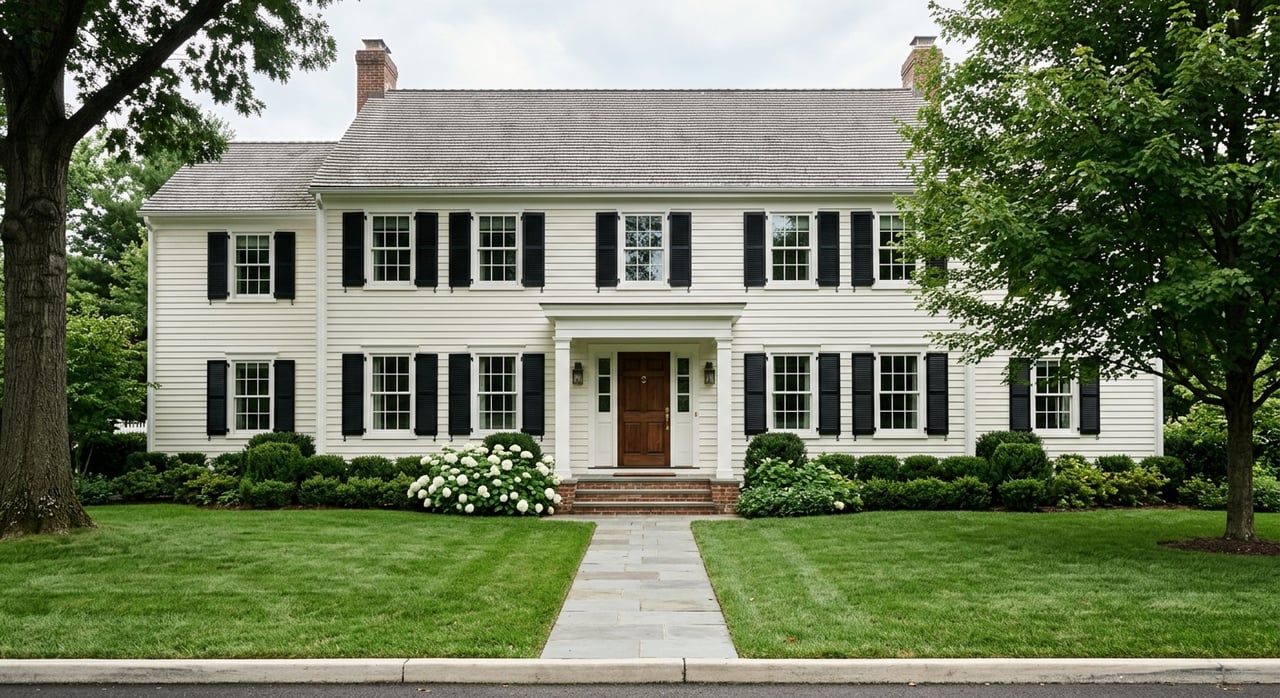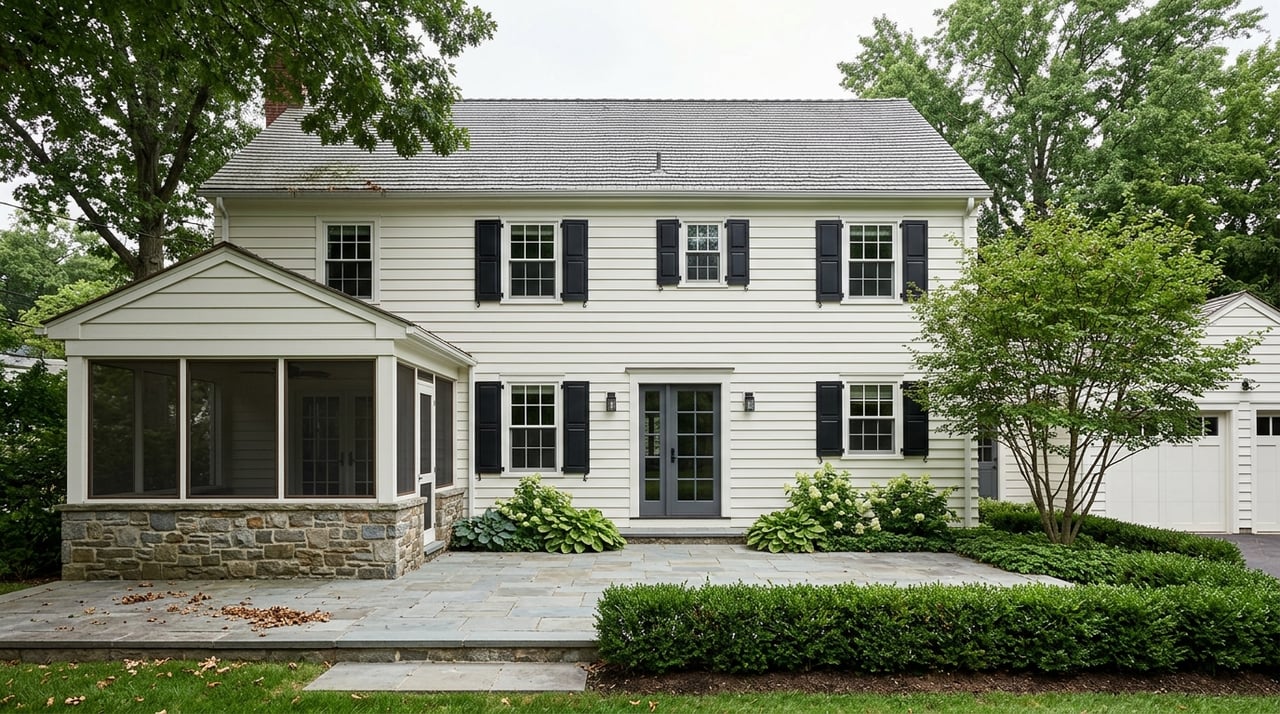
Are buyers here paying for the kitchen or the dirt under it? In South of the Parkway and Mid‑Country, the answer often decides your sale price, your timeline, and whether you should invest in updates before listing. You want a smart, confident plan that fits your street and your likely buyer. In this guide, you’ll learn how buyers and appraisers separate land from improvements, how to build a street‑specific comp set, and which pre‑list steps actually move the needle. Let’s dive in.
The core question: what’s the value driver?
Every Mid‑Country property has a dominant value driver. Sometimes it is the land because of zoning, utilities, or buildability. Other times it is the house because it is updated, livable, and aligned with what owner‑occupants want right now. Your goal is to identify which buyer type is most active on your road and price to what that buyer rewards.
Common buyer groups and how they value land vs. improvements:
- Builders and developers: They price the land’s buildable potential first and often treat the house as a demolition cost.
- Owner‑occupants: They pay for layout, condition, and move‑in readiness. Updated kitchens and baths, efficient systems, and a functional floor plan matter.
- Investors: They run models. If rents or resale returns pencil, the improvements matter; if not, land potential leads.
- Lifestyle buyers: They pay for micro‑location traits like views, proximity to parks, and commuting access, sometimes more than the structure.
South of the Parkway is a useful local marker. Buyers often perceive easier access to services and commuting nodes, which can shift value toward land on certain blocks and toward improvements on others. Street by street, you will see different buyer mixes and price patterns. That is why comp sets in Mid‑Country start hyper‑local.
How appraisers separate land and improvements
Appraisers use several frameworks that show up in Mid‑Country pricing:
- Sales Comparison Approach: Compares whole‑property sales and adjusts for site characteristics and condition. In areas where land scarcity is the driver, appraisers often reconcile a separate land value from nearby land or teardown sales.
- Cost Approach: Estimates the cost to replace the improvements, subtracts depreciation, then adds land value. This is helpful when the house is newer or unique and you need to isolate the land component.
- Income or residual methods: Useful when redevelopment or rental potential exists. One common technique estimates the market value of a finished project, subtracts build costs and profit, and yields an implied land value. This is essential when a property’s highest and best use is different from the existing structure.
Two concepts guide all of this:
- Highest and Best Use: The use that is legally permissible, physically possible, financially feasible, and maximally productive. If zoning allows more units or larger buildable area than the current home uses, the land can dominate value.
- Obsolescence: If a layout is functionally outdated or the condition is poor, the existing house may contribute far less to the total value than you expect.
Micro‑location factors that push value to land
Across Mid‑Country and nearby Fairfield County and New York suburbs, small differences by road or block can flip the value equation. Pay close attention to these factors:
- Zoning and density: Setbacks, lot coverage, floor area ratio, and accessory dwelling rules determine buildability. A parcel with subdivision potential or permissive multi‑family options can carry a higher land value than a similar‑sized lot without them.
- Utilities and infrastructure: Sewer connection typically boosts redevelopment potential compared to septic, which can limit expansion and add cost. Multiple access points or better road frontage can enhance site utility.
- Topography and environmental constraints: Slope, rock ledge, wetlands, and shoreline or floodplain rules change what is feasible. Insurance and mortgageability can be affected by flood zone status.
- Parcel geometry: Rectangular lots with standard frontage tend to trade at a premium to irregular or flag lots, even at the same size.
- Neighborhood context: Proximity to commuter rail, highway ramps, and parks can create price dispersion by road and block face. Buyers also note informal lines like “south of the parkway,” which can shift the buyer pool and price expectations.
- Taxes and carrying costs: Different municipalities manage assessments and tax rates differently. Higher carrying costs can limit what buyers will pay for land they plan to hold through approvals.
When land value dominates
You are likely in a land‑driven pocket if you see:
- A high share of recent sales on your street marketed or purchased as teardowns.
- Zoning that substantially exceeds what the current home uses, or plausible subdivision potential.
- Site traits that are unusually scarce nearby, such as sewer connection, a large regular lot, or multiple access points.
- A house with heavy functional obsolescence, where renovation would be extensive relative to its likely end value.
When improvements carry the price
You are likely in an improvement‑driven pocket if you see:
- Recent sales to owner‑occupants for updated, move‑in homes with modest renovation required.
- Homes trading with premiums for updated kitchens, baths, mechanicals, and efficient layouts.
- Limited teardown activity and fewer active builders in recent months.
Build a comp set by road and micro‑location
In Mid‑Country, comp quality rises as you get closer to the subject property. Start narrow and expand only as needed.
- Immediate‑street comps: Prioritize sales on the same stretch of road with similar orientation, exposure, and access to the same commuting routes. These best capture micro‑location premiums.
- Nearby‑street comps: If same‑street data are thin, use adjacent streets with the same block face or cul‑de‑sac character. Adjust for differences in traffic or walkability.
- Land‑only and teardown comps: If land is the likely driver, vacant lot and teardown sales provide direct evidence of land value. Note terms such as cash closings or quick settlements, which can influence price.
- Lot parity first: Try to match lot size, frontage, shape, and utilities before weighing bedroom and bath counts. When exact matches are scarce, compare price per buildable square foot or per front foot for land adjustments.
- Time windows: In fast‑moving periods use 3 to 6 months of data; in calmer periods extend to 12 months. Make time adjustments only when supported by nearby trends.
Useful techniques when direct land comps are scarce:
- Land residual: From a comparable improved sale, estimate the replacement cost of its improvements, add typical profit and carrying costs, and subtract that from the total price to infer land value.
- Paired sales: If two nearby sales differ mainly by lot size or frontage, the price difference helps set per‑unit land adjustments.
- Reconcile multiple indicators: If land comps, teardown sales, and residual analysis diverge, weigh the most relevant and reliable data for the likely highest and best use.
Quick comp‑building checklist
- Start with the same street and block face before looking farther out.
- Match lot utility first, then adjust for house size and condition.
- Pull recent vacant land and teardown sales to anchor land value.
- Use paired‑sale or land‑residual methods to fill gaps in the data.
- Avoid relying on distant land comps unless the micro‑location truly matches.
Seller playbook: price vs. improve
Your decision is not one size fits all. Use the recent buyer mix on your street to guide whether you should invest in updates or sell closer to land value.
- If teardown or land purchases are common nearby: Consider selling as‑is with minimal work. Focus on documentation that reduces buyer uncertainty rather than expensive renovations.
- If owner‑occupants are paying premiums for updated homes: Target high‑impact, cost‑effective improvements that expand your buyer pool and appraised value.
Pre‑list updates that typically pay in this market
Prioritize what protects financing and broadens appeal, then stop before overspending.
- Safety and mortgageability: Roof, HVAC, electrical, septic or utility repairs, and any items that can jeopardize loan approval.
- High‑impact cosmetics: Fresh paint, floor refinishing or replacement, basic kitchen refreshes, and decluttering. These often help if buyers on your street value move‑in condition.
- Avoid major structural remodels if the market is teardown‑heavy: Large projects rarely pay back when land is the main value driver.
- Permitting strategy: If expansion is likely for the next owner, you may not capture full value for starting permits yourself. Instead, provide clear entitlement information so buyers can evaluate quickly.
Pricing strategies that attract the right buyer
Pick the price that fits your most probable buyer and the current market balance.
- Price to the active cohort: If builders are writing offers, anchor close to land indicators and invite competition. If owner‑occupants dominate, price to the updated‑home comps on your road.
- Midpoint or aspirational: In balanced conditions, listing slightly below land‑value indicators can spark multiple offers from builders. In buyer‑favored periods, align with improvement‑driven comps and be ready to negotiate credits instead of big pre‑list projects.
- Dual marketing: If both scenarios are plausible, present the property with transparent options. Use language that highlights redevelopment potential alongside the home’s current livability, and be clear that buyers must verify entitlements.
- Reduce uncertainty: Provide surveys, utility confirmations, septic or sewer documentation, and any recent tests. Fewer unknowns often mean stronger offers, especially from builders and investors.
What to gather before you list
Prepared sellers get better outcomes. Pull a clean, practical package that answers the most common buyer questions.
- Recorded survey or recent site plan with lot dimensions and legal description.
- Written confirmation of sewer or septic and water source, including any known moratoria.
- Permit history for additions, major repairs, and any open permits.
- Flood zone status and any local floodplain overlays.
- A list of recent vacant‑lot and teardown sales on the same street or nearby streets.
- A one‑page zoning summary for your parcel, including setbacks, coverage, floor area ratio, and accessory dwelling rules.
- Nearby active and pending listings on your road for context.
- If redevelopment is plausible, a brief feasibility memo from a local builder or engineer that outlines buildable area and key constraints.
The bottom line
In South of the Parkway and Mid‑Country, two houses a few doors apart can have different value drivers. Your best move is to identify which buyer type is most active on your street, build a comp set that starts on your block, and price to the factor the market will reward. For some properties, that means leaning into land value and clarity on entitlements. For others, it means light, targeted improvements that speak to owner‑occupants.
If you want a clear, data‑backed plan tailored to your road and buyer pool, reach out to Capeci and Schwabe for a concierge consultation.
FAQs
How do appraisers separate land and house value in Mid‑Country?
- They start with the sales comparison approach, then use cost and land‑residual techniques and nearby land or teardown sales to reconcile a supported land contribution.
What does highest and best use mean for South of the Parkway sellers?
- It is the most permissible, feasible, and productive use of your parcel; if zoning allows more than your current home uses, land can become the dominant value driver.
Should I renovate an older Mid‑Country home before selling?
- If nearby buyers are mostly owner‑occupants paying for updated homes, do targeted, high‑impact fixes; if teardown activity is common, sell as‑is and focus on documentation.
How do sewer vs. septic affect my price?
- Sewer‑served parcels typically offer more redevelopment potential and can command premiums, while septic systems can constrain expansion and increase costs.
What documents do builders want to see in a land‑value sale?
- Survey, zoning summary, utility confirmations, flood status, and recent teardown or land comps, plus any feasibility notes that clarify buildable area and constraints.