If your Mid-Country home is heading to market, one question matters more than almost any other: will today’s buyers see it as ready, or as work? In Greenwich, where many buyers begin online and arrive with a clear picture of what they want, first impressions carry real weight. The good news is that preparing well does not always mean taking on a major renovation. It usually means making smart, visible choices that help your home feel clean, current, and easy to understand. Let’s dive in.
Why readiness matters in Mid-Country
Mid-Country sits within the Greenwich MLS area, so Greenwich market patterns offer the best local lens for sellers here. In Q1 2026, Greenwich recorded 87 single-family closings, with a median sale price of $3.831 million and average days on market of 81. That tells you there is activity, but also that presentation and positioning still matter.
Recent Greenwich seller guidance adds important context. In 2025, 57% of residential homes sold at or above list price, and 73% closed within 60 days. The same guidance notes that move-in-ready homes often sell for a premium, while outdated homes may need price adjustments.
That gap is exactly why preparation matters. Buyers are still active, but many are selective. If your home feels easy to move into, you may widen your buyer pool and strengthen your pricing position.
How today’s buyers shop
Most buyers now form opinions before they ever schedule a showing. Recent buyer research found that 43% first looked for properties online, and photos, detailed property information, and floor plans ranked among the most useful listing features. Buyers also tend to view a limited number of homes in person during a typical search.
That matters because your home needs to read clearly on a screen first. Buyers often come into the process with strong ideas already in mind about both location and home style. If your listing presentation feels cluttered, dated, or confusing, some buyers may move on before they ever step through the door.
For Mid-Country sellers, the goal is simple: make the home feel legible and appealing both online and in person. That does not mean stripping out character. It means reducing distractions so buyers can quickly understand the space, condition, and potential.
Focus on readiness, not renovation
One of the biggest mistakes sellers make is assuming they need a full remodel before listing. In most cases, the better strategy is more selective. National staging guidance defines preparation broadly as cleaning, decluttering, repairing, depersonalizing, and updating the home.
That approach aligns with how many professionals actually advise sellers. More than half of sellers’ agents in a recent staging report said they do not stage every home fully, but instead recommend decluttering and fixing property faults. In other words, the smartest prep plan is often targeted, not dramatic.
For many Mid-Country homes, especially older homes with strong bones and traditional layouts, that is welcome news. You may not need to reinvent the property. You may simply need to present it with more clarity and polish.
Where to spend money first
If you want the highest-impact improvements, start with projects buyers notice quickly. The 2025 Remodeling Impact Report found that Realtors most often recommend painting the entire home, painting a single interior room, and installing new roofing before listing. The strongest estimated cost recovery came from a new steel front door, closet renovation, and new fiberglass front door.
The practical takeaway is clear: small, visible improvements often make more sense than large-scale overhauls. Fresh paint, repaired trim, refreshed hardware, and a crisp entry can shape buyer perception right away. These updates are usually less disruptive, easier to schedule, and more closely tied to presentation.
Major renovations may still make sense if the home has true condition issues. But if the property is fundamentally sound, you will often get more value from improvements that make it feel cleaner, lighter, and better maintained.
Prioritize these updates first
- Deep cleaning throughout the home
- Decluttering closets, counters, and storage areas
- Depersonalizing highly specific decor
- Touch-up painting or full interior painting where needed
- Minor repairs to doors, trim, lighting, and hardware
- Improving the front entry experience
- Refreshing landscaping with simple maintenance
Stage the rooms buyers care about most
You do not need to stage every room equally. Recent staging research found that the most important spaces were the living room, primary bedroom, and kitchen. Those are the rooms where buyers most often try to picture daily life.
That same research also showed that living rooms, primary bedrooms, dining rooms, and kitchens were the spaces most commonly staged. Guest bedrooms were much less important. So if you are deciding where to focus time and budget, begin with the spaces that shape emotional response and day-to-day function.
Living room
Your living room should feel open, calm, and easy to arrange. Remove extra furniture that interrupts flow or makes the room feel smaller than it is. Keep styling simple so buyers notice scale, light, and layout rather than objects.
Primary bedroom
The primary bedroom should read as restful and spacious. Clear off dressers and nightstands, simplify bedding, and reduce personal items. The goal is to create a quiet, neutral feeling that helps buyers imagine unwinding there.
Kitchen
In the kitchen, less is usually more. Clear countertops, organize visible storage, and remove small appliances you do not need for daily use. Buyers respond well when the room feels functional, clean, and bright.
Make the home photograph well
Because so many buyers start online, preparation should support photography as much as in-person showings. A well-prepared home tends to photograph with better light, better scale, and fewer distractions. That helps your listing stand out during the early search phase, when buyers are moving quickly through options.
Neutral tones are especially helpful here. So are clean surfaces, open sightlines, and rooms with a clear purpose. If a room has become a mix of office, storage, and hobby space, simplify it before photography so buyers can understand it instantly.
Floor plans and listing details also matter. Since buyers rely on those tools heavily, your home should be arranged in a way that makes each room’s use feel obvious. The easier it is to “read” online, the stronger your first impression tends to be.
Do not overlook curb appeal
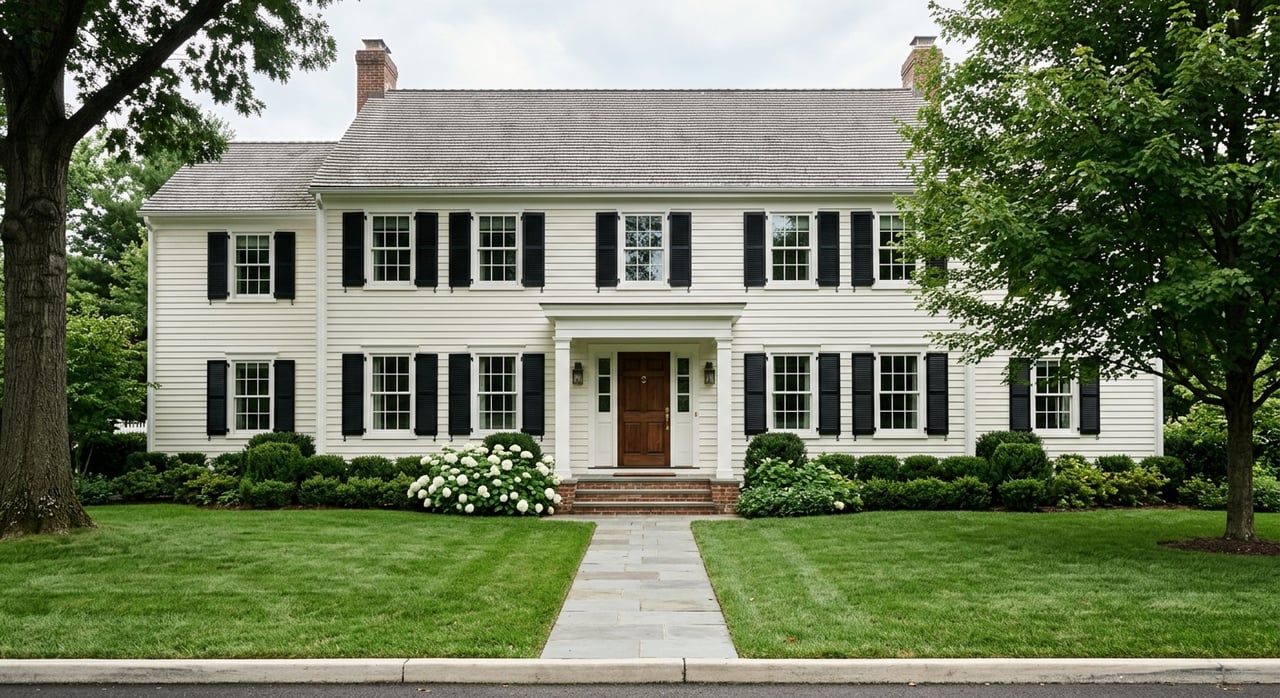
Outdoor space may not be the top staging priority, but it still matters. In the latest staging report, outdoor and yard space was staged by 31% of sellers’ agents. That supports a common-sense approach for Mid-Country homes: keep exterior presentation tidy, intentional, and well maintained.
You do not need to turn curb appeal into a full landscape project. Instead, focus on basics that improve the home’s first visual moment.
Simple exterior improvements that help
- Clean walkways and entry areas
- Prune overgrowth around windows and paths
- Refresh mulch and planting beds
- Check exterior lighting
- Repaint or replace a worn front door if needed
- Remove seasonal clutter or unused outdoor items
That last point is worth emphasizing. Front-door replacement showed especially strong estimated cost recovery in the 2025 remodeling data. For some sellers, a clean, updated entry can be one of the most practical exterior investments before listing.
What if your home feels dated?
This is one of the most common seller concerns in Mid-Country, where many homes have classic architecture and long ownership histories. The answer is not to hide the home’s age. It is to separate character from avoidable wear.
Greenwich seller guidance makes the local reality clear: move-in-ready homes often earn a premium, while outdated homes may need price adjustments. If your home has older finishes, focus first on what helps buyers feel confident about care and livability. Fresh paint, repairs, lighting updates, and better styling can often narrow the gap more effectively than a rushed remodel.
If larger updates are truly needed, be strategic. Address condition and functionality first. Cosmetic improvements should support the home’s overall presentation, not become an open-ended project.
Handle permit-related work carefully
If you are considering exterior or structural work before listing, check permit requirements early. In Greenwich, building permits are required for additions and alterations, exterior decks, pools and spas, tennis courts, retaining walls over 3 feet, fences more than 7 feet, and demolition. Trade permits are also required for electrical, plumbing, HVAC, and generator work.
Greenwich’s Building Inspection Division enforces the Connecticut State Building Code. Connecticut also requires registration for home improvement contractors doing residential work, and state consumer guidance says homeowners should verify with the town that a building permit is approved before work begins.
For sellers, the planning lesson is straightforward. If you are doing permit-triggering work, tackle that first. Cosmetic updates, staging, and photography should come later, closer to the listing date.
A practical prep sequence for Mid-Country sellers
When you prepare in the right order, the process feels much more manageable. Rather than trying to do everything at once, think in phases.
Phase 1: Assess condition
Walk through the home with a critical eye. Identify deferred maintenance, visible wear, and any work that could affect buyer confidence. Separate true condition issues from cosmetic issues so you can budget wisely.
Phase 2: Complete required repairs
Handle repairs and any permit-related work first. This includes structural, exterior, electrical, plumbing, HVAC, or other items that should be resolved before final presentation begins.
Phase 3: Refresh visible surfaces
Once the fundamentals are handled, move to the updates buyers notice fastest. Paint, touch-ups, lighting improvements, hardware changes, and front-entry upgrades often deliver the clearest payoff.
Phase 4: Declutter and stage key rooms
Edit the home down to its essentials. Focus most of your effort on the living room, primary bedroom, and kitchen, then support the rest of the home with consistency and cleanliness.
Phase 5: Prepare for photography and launch
Do the final polish last. At this stage, every room should have a clear purpose, surfaces should be clean, and exterior areas should be camera-ready. This is when your marketing presentation can do its best work.
The bottom line for Mid-Country sellers
Preparing a Mid-Country home for today’s buyers is less about chasing trends and more about removing friction. Buyers are shopping digitally, comparing carefully, and paying attention to condition and ease. In this market, a home that feels clean, intentional, and move-in-ready can stand apart quickly.
That is why readiness often beats renovation. With the right plan, you can invest where buyers are most likely to notice, avoid unnecessary projects, and bring your home to market with more confidence. If you are thinking about selling in Mid-Country, Capeci and Schwabe can help you evaluate what to do first, what to skip, and how to position your home for today’s buyers.
FAQs
What does preparing a Mid-Country home for sale usually involve?
- It usually involves cleaning, decluttering, repairing, depersonalizing, and making selective updates that help the home show well online and in person.
Which rooms matter most when staging a Greenwich-area home?
- The living room, primary bedroom, and kitchen tend to matter most because buyers place the most weight on those spaces.
Should you remodel a Mid-Country home before listing it?
- Usually, a major remodel is not the first step unless the home has condition issues. Smaller, visible improvements like painting and entry updates often make more sense.
Do older Mid-Country homes need price adjustments if they are outdated?
- Greenwich seller guidance says move-in-ready homes often sell for a premium, while outdated homes may require price adjustments.
Do you need permits for exterior work on a Greenwich home before selling?
- Some work does require permits in Greenwich, including certain additions, alterations, decks, pools, retaining walls, taller fences, demolition, and trade work such as electrical, plumbing, HVAC, and generator projects.