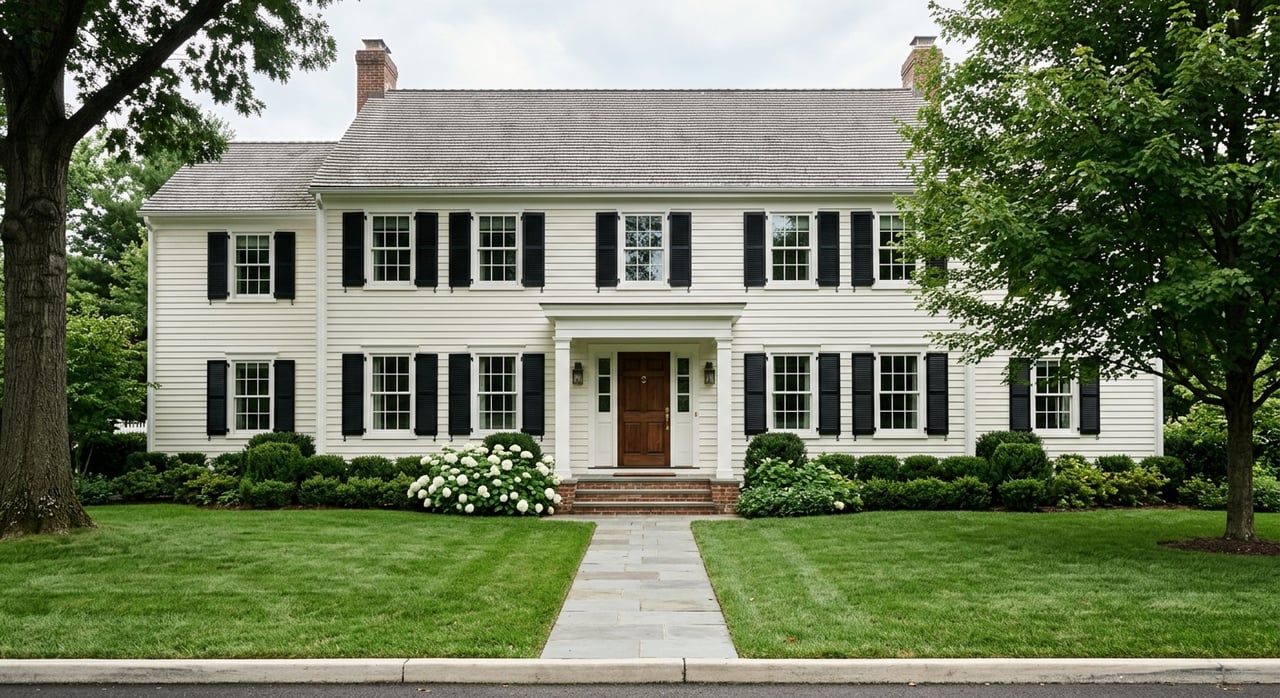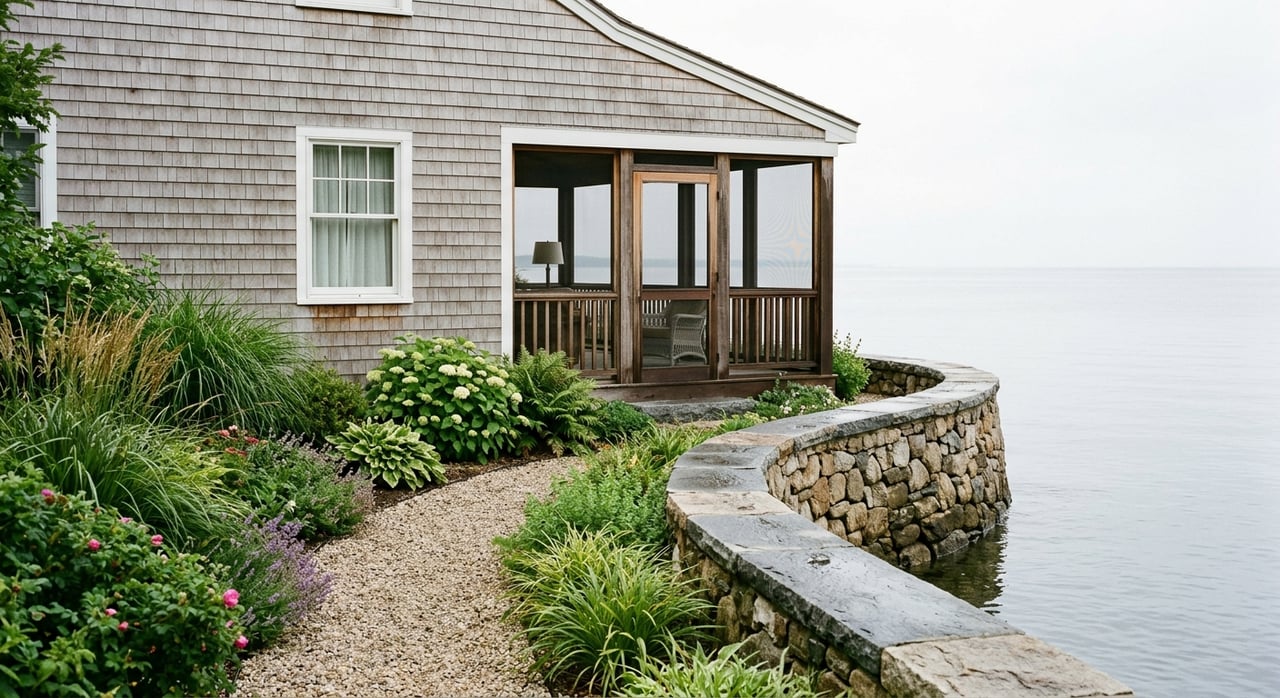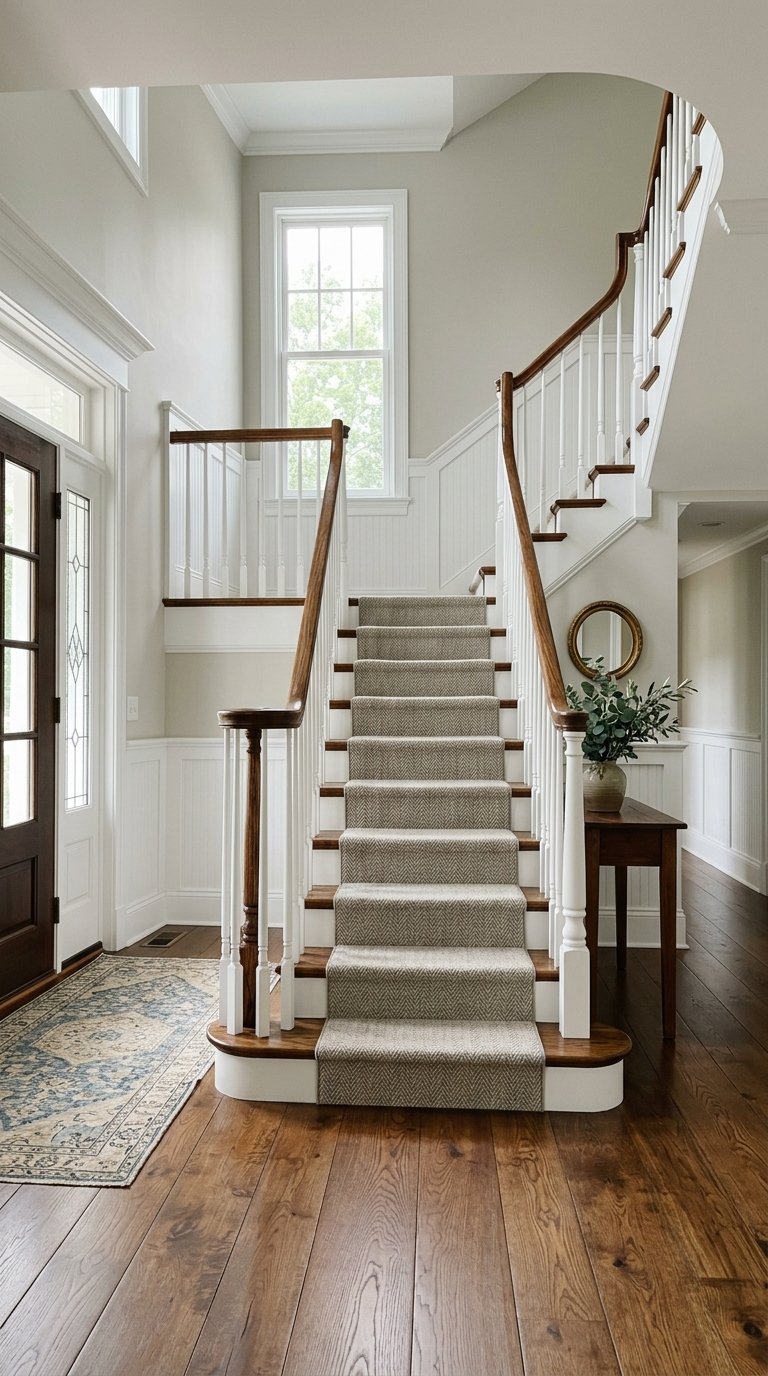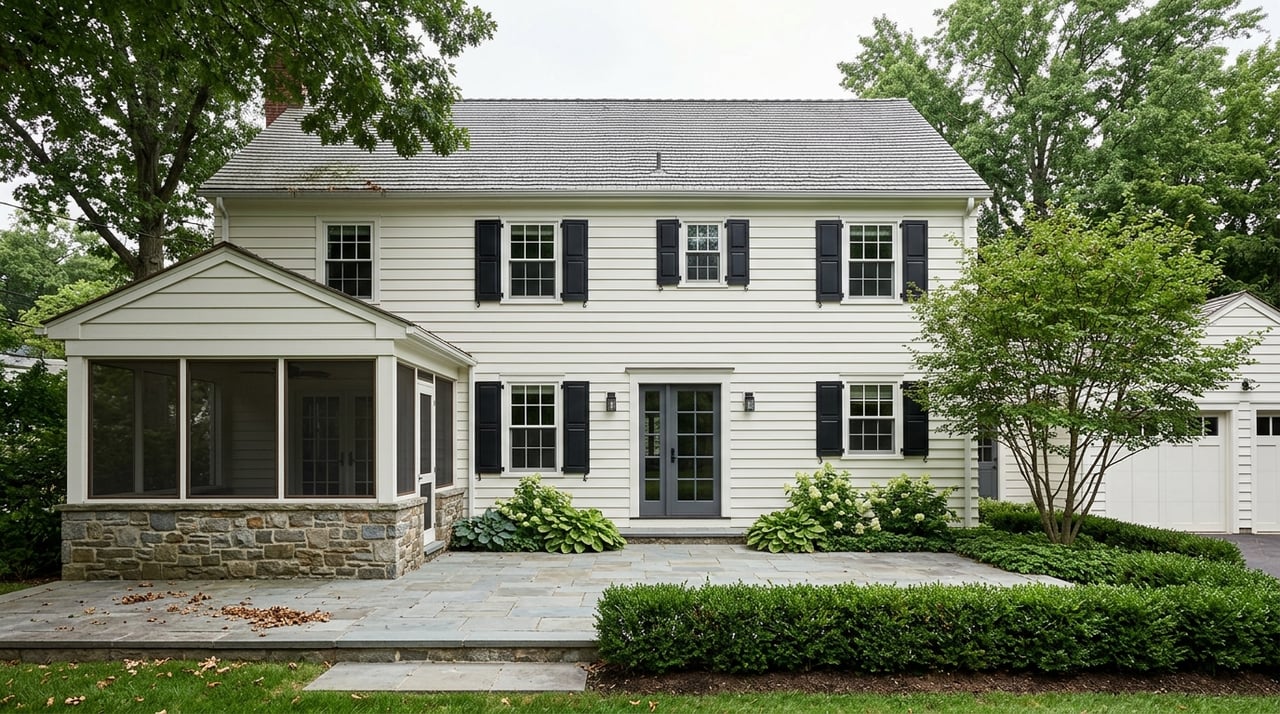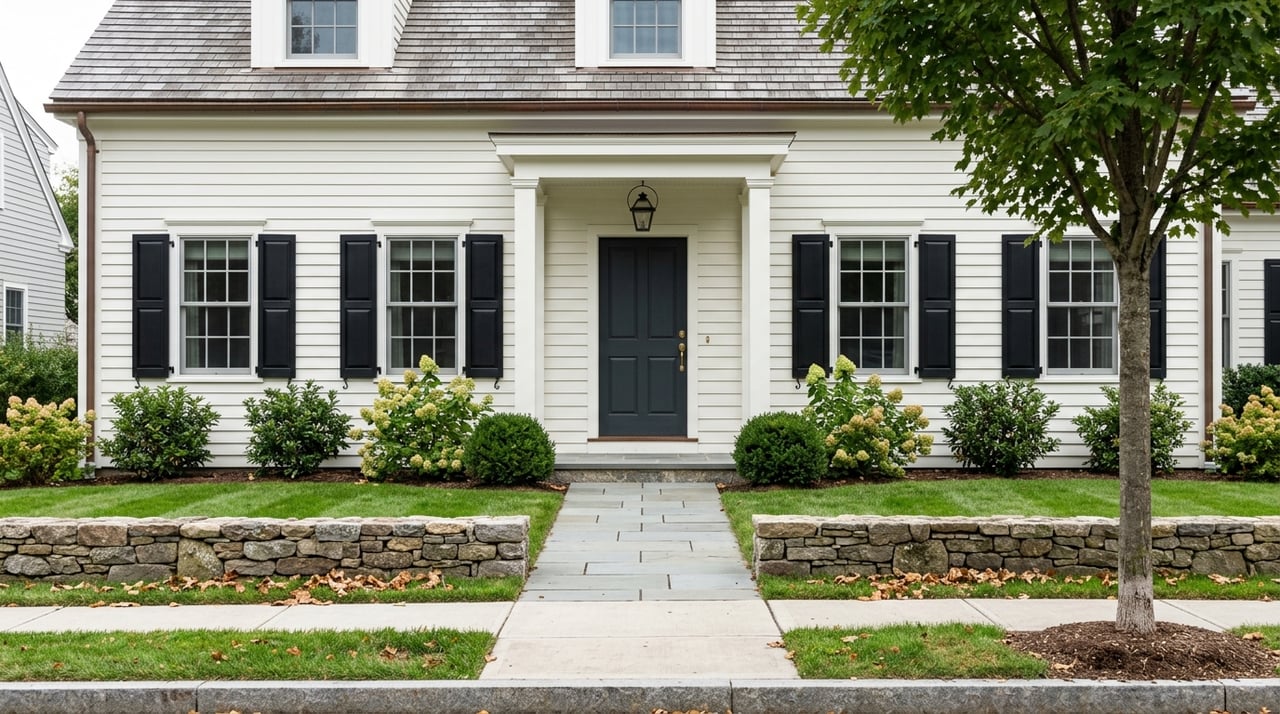
Thinking about leaving New York City without giving up convenience, character, or a real sense of place? Greenwich often gets talked about as one destination, but when you look closer, it functions more like a collection of distinct village centers and neighborhood districts, each with its own rhythm. If you are moving from NYC to Greenwich, understanding those differences can help you focus your search faster and choose a lifestyle that actually fits your day-to-day. Let’s dive in.
Greenwich Works Like a Collection of Villages
One of the biggest mindset shifts for NYC buyers is realizing that Greenwich is not a single, uniform suburb. Town planning materials consistently describe places like Byram, Cos Cob, Old Greenwich, Riverside, central Greenwich, mid-country, and back-country as distinct areas with different transit patterns, land use, and daily routines.
That matters because your experience can vary widely depending on where you land. In one part of town, you may be able to walk to the train, coffee, and a park. In another, you may trade that convenience for more land, more privacy, and a more car-dependent lifestyle.
The town also identifies downtown Greenwich, Byram, Cos Cob, and Old Greenwich as major shopping areas. That village-centered structure helps explain why Greenwich feels more layered than many buyers expect.
Start With Your Daily Routine
For most NYC movers, the right village comes down to how you want everyday life to work. Greenwich, Cos Cob, Riverside, and Old Greenwich all have Metro-North New Haven Line stations with direct service to Grand Central, which makes rail access a major decision point.
The town’s parking programs also reinforce the split between station-oriented living and car-oriented living. Greenwich offers commuter permits for Greenwich Plaza and the Cos Cob, Old Greenwich, and Riverside stations, along with separate resident and merchant parking permits in central Greenwich.
If you picture walking to the train and having errands close by, your search will likely look different from someone who wants a larger lot and quieter setting. In Greenwich, that tradeoff shows up clearly from village to village.
Accessibility and station considerations
If accessible station access is part of your planning, it is worth noting an important detail. According to the MTA, Cos Cob, Riverside, and Old Greenwich are ramp-accessible but do not have an accessible path between platforms, and the nearest fully accessible stations for those stops are Greenwich and Stamford.
For some buyers, that may not affect the decision. For others, it can be a meaningful factor in how practical a daily commute feels.
Central Greenwich: The Most Urban Feel
Central Greenwich is the town’s downtown and business-district core. Greenwich Avenue is described by the town as the central hub of the business district, and Greenwich Common Park sits right in historic downtown.
If you are coming from NYC and want the easiest adjustment, this area may feel the most familiar. It offers the clearest walkable, village-center lifestyle in town, with shopping, dining, civic uses, and managed parking playing a bigger role than yard size or privacy.
This is often the right fit if you want convenience to lead the conversation. You may give up some of the backyard-centered routine that defines other parts of Greenwich, but you gain a setting where daily errands and social plans can feel much more immediate.
Cos Cob: Commuter Convenience With Waterfront Character
Cos Cob has a strong identity shaped by both its station area and its connection to the water. Town planning documents highlight waterfront access, harbor views, public walkways, and neighborhood parks, which gives the area a mix of commuter practicality and outdoor appeal.
Local parks in Cos Cob include Cos Cob Park, Mill Pond Park, Bible Street Park, Montgomery Pinetum Park, Mianus River & Natural Park, and Sachem Nature Preserve. That lineup helps create a lifestyle that feels more layered than a simple train suburb.
For NYC buyers, Cos Cob often stands out as a balanced option. You get direct New Haven Line service, access to shoreline and river settings, and a neighborhood feel that sits comfortably between downtown convenience and a more residential atmosphere.
Riverside: Quietly Convenient and Residential
Riverside has direct New Haven Line service and a strong local identity, even though town planning documents note that it does not have the same kind of central village core as Old Greenwich. It also benefits from nearby natural amenities such as Schongalla Nature Preserve.
For many buyers, Riverside hits a practical middle ground. It can feel quieter and more residential than downtown while still keeping train access and eastern Greenwich amenities within easy reach.
If your goal is to leave the pace of the city behind without giving up commuter function, Riverside is often worth a close look. It tends to appeal to buyers who want a polished residential setting with a strong connection to the broader coastal corridor.
Old Greenwich: Village Energy by the Water
Old Greenwich is one of the town’s most distinct village areas. The Eastern Greenwich Neighborhood Plan describes it as the historic original town center, and the area is anchored by the Old Greenwich station, Binney Park, and Greenwich Point Park.
That combination gives Old Greenwich a lifestyle identity that is hard to confuse with anywhere else in town. It offers a true village center, direct rail access, and a strong relationship to the waterfront.
Greenwich Point Park is a major part of that appeal. The town describes it as a 147.3-acre beach and recreation facility with trails, concessions, boating access, and seasonal beach passes.
If you want a village setting with beach-town energy, this is often the strongest match. For NYC buyers, Old Greenwich can feel like a rare combination of commuter practicality and weekend lifestyle value.
Byram: Compact, Practical, and Waterfront-Oriented
Byram is the western shoreline village and one of Greenwich’s longstanding commercial and residential centers. The official neighborhood plan describes a 240-acre area with a business district, library, waterfront, and a history tied to boating and fishing.
It also sits near the I-95 and Route 1 corridor, which adds another layer of practical access. Byram Park gives the area a strong recreational identity, with beach, pool, marina, boat launch, playgrounds, sports fields, and walking trails.
Byram often feels more mixed and practical than some of the eastern shoreline villages. Buyers who value a compact neighborhood feel, access to services, and a broader range of housing types often find it worth considering.
Mid-Country: More Space, Less Village Activity
Mid-country is the inland area between the village centers and true back-country. Town planning and open-space materials describe northern sections of Greenwich as less heavily developed, with single-family homes on larger lots and more significant open-space properties.
That gives mid-country a very different feel from the coastal villages. You are less likely to center your routine around walking to shops or the train, and more likely to prioritize space, privacy, and a quieter residential setting.
For some NYC buyers, this is where Greenwich begins to feel more like the suburban change they were hoping for. It can be a strong fit if your priority is a larger property without going fully into the most remote parts of town.
Back-Country: Privacy, Acreage, and Estate-Style Living
Back-country is the most spacious and least village-like part of Greenwich. The town’s Open Space Plan says most of back-country Greenwich is characterized by large lot and dwelling sizes, and town planning materials frame it as a distinct community area.
This part of Greenwich is centered less on village life and more on landscape, privacy, and room to spread out. Amenities like Babcock Preserve reinforce that open-space identity.
If your move from NYC is really about creating distance from density, noise, and close-quarter living, back-country may be the clearest expression of that goal. It is best for buyers who are comfortable with a more car-dependent day-to-day routine in exchange for acreage and seclusion.
A Simple Way to Compare Greenwich Villages
One of the easiest ways to narrow your search is to sort Greenwich into three broad lifestyle buckets.
Walkable village choices
Central Greenwich and Old Greenwich are usually the strongest fits if you want walkability, village energy, and a more active daily routine.
Balanced commuter choices
Cos Cob and Riverside tend to offer a middle ground. They combine train access and neighborhood identity without feeling as urban as downtown or as land-focused as inland Greenwich.
Space-first choices
Mid-country and back-country are generally for buyers who want more land, more privacy, and a quieter, more car-dependent routine.
Byram can feel a bit like its own category. It blends practical access, waterfront amenities, and a compact village setting in a way that appeals to buyers looking for function and value in the broader Greenwich mix.
Questions to Ask Before You Choose
If you are relocating from NYC, a few questions can quickly point you toward the right area:
- How important is walking to the train?
- Do you want a true village center?
- How much outdoor space do you expect?
- Do you want to be close to water, downtown, or open space?
Those questions matter because they reflect the real differences between Greenwich villages. Once you know your answers, your home search usually becomes much clearer.
Greenwich rewards a more tailored approach than many towns do. If you are moving from NYC, the goal is not just to buy in Greenwich. It is to choose the part of Greenwich that fits the way you actually want to live.
Whether you are looking for a walkable commuter home, a coastal village setting, or more space with long-term upside, Capeci and Schwabe can help you navigate Greenwich with local insight, thoughtful strategy, and a tailored plan.
FAQs
What is the most walkable part of Greenwich for NYC buyers?
- Central Greenwich and Old Greenwich are typically the strongest options for buyers who want walkability, village energy, and close access to daily amenities.
Which Greenwich villages have Metro-North stations?
- Greenwich, Cos Cob, Riverside, and Old Greenwich all have New Haven Line stations with direct service to Grand Central.
What should NYC buyers know about station accessibility in Greenwich?
- Cos Cob, Riverside, and Old Greenwich are ramp-accessible, but the MTA says they do not have an accessible path between platforms. Greenwich and Stamford are the nearest fully accessible stations.
Which Greenwich area offers the most space and privacy?
- Back-country offers the most spacious, least village-like setting in Greenwich, with large lots, larger homes, and a more landscape-focused lifestyle.
Is Old Greenwich different from downtown Greenwich?
- Yes. Old Greenwich is known for its historic village center, station access, and strong waterfront identity, while central Greenwich is the town’s downtown and business-district core with the most urban feel.
Which Greenwich village is a good middle ground for commuters?
- Cos Cob and Riverside often appeal to buyers who want train access and neighborhood identity without being as centered on downtown activity or larger inland lots.