If you love the idea of living near Greenwich Avenue, the train, and everyday essentials without taking on the full upkeep of a single-family home, HOA living in Central Greenwich may feel like a smart middle ground. Many buyers are drawn to condos and townhomes here for convenience, walkability, and a more predictable maintenance routine. The key is knowing what you are really buying beyond the front door. Let’s take a closer look.
Why Central Greenwich Appeals
Central Greenwich, which the town identifies as RTM District 1, puts you close to many of the places people use every day. That includes Greenwich Avenue, the Greenwich Main Library, the YMCA, the YWCA, food stores, restaurants, houses of worship, the Bruce Museum, and the Metro-North train station. For many buyers, that location makes lower-maintenance ownership especially appealing.
Downtown Greenwich is also described by the town as one of its major shopping areas. If you want a home base that supports a walkable routine, this setting can be a strong fit. It is often a practical alternative to a house that may require more exterior upkeep and more driving.
Another big lifestyle factor is transit. The Greenwich Metro-North station on the New Haven Line offers elevators, tactile warning strips, audiovisual passenger information, ticket machines, a waiting area, restrooms, and CTtransit and Norwalk Transit connections. If your priorities include commuting ease and proximity to amenities, HOA living in Central Greenwich may deserve a closer look.
What HOA Ownership Means
In Connecticut, condos and planned communities are both forms of common-interest communities, but they are not exactly the same. According to the Connecticut Department of Consumer Protection, condo units are separately owned while common areas are owned by all unit owners together. In a planned community, owners may own their lots while the association owns the common areas.
For you as a buyer, the practical takeaway is simple. You usually gain less exterior-maintenance responsibility and access to shared amenities, but you also agree to follow community rules. You may also have shared walls, floors, or ceilings depending on the property type.
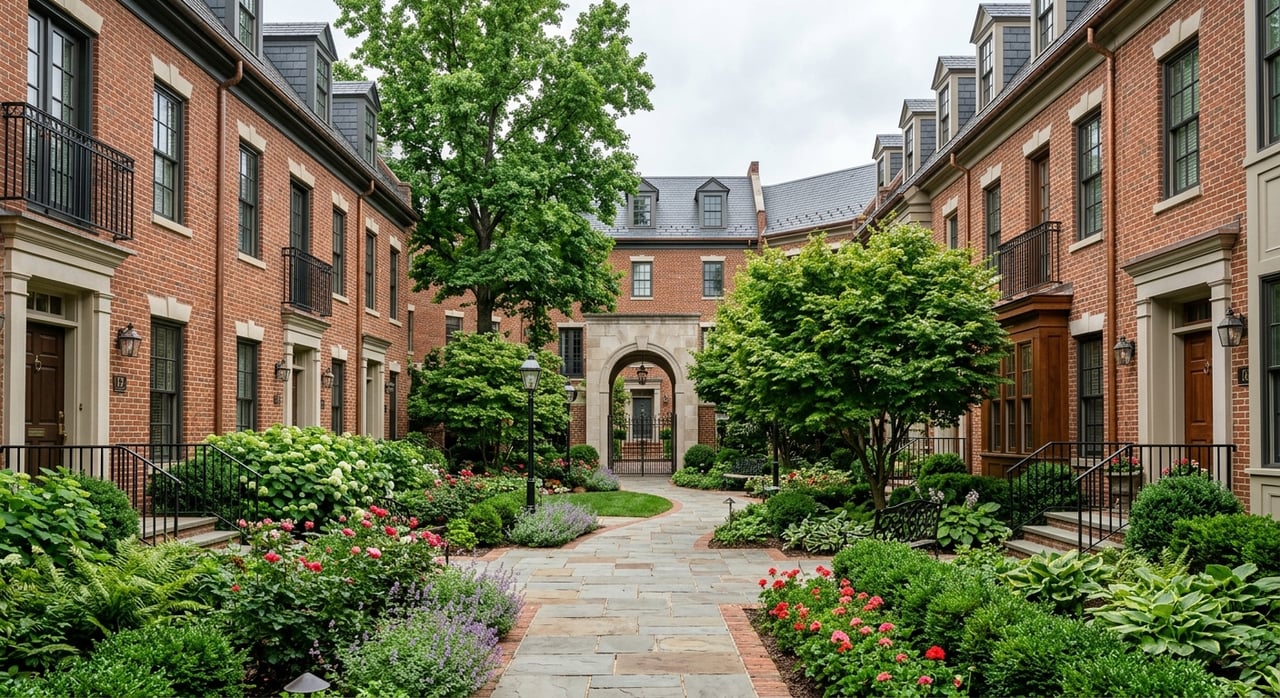
That tradeoff works well for many Central Greenwich buyers. If your focus is convenience, a walkable location, and a lower-maintenance lifestyle, a condo or townhome can check important boxes. Still, each association is different, so the details matter.
What HOA Fees Usually Cover
Monthly common charges are one of the first things buyers notice, but the number alone does not tell the whole story. The better question is what those fees actually cover. In Connecticut, owners pay the association for upkeep of common areas while remaining responsible for their own unit, as outlined by the Department of Consumer Protection.
Common charges may support maintenance, shared services, and community operations. What is included can vary widely from one association to another, so you will want to confirm the specifics before you move forward. You should also ask when the fees were last increased.
Just as important, ask whether there are any separate assessments or planned capital projects. A community with modest monthly charges may still have major spending ahead. Looking at the full financial picture can help you avoid surprises after closing.
Review HOA Finances Carefully
A healthy association budget can make your ownership experience smoother. A weak one can lead to delayed repairs, special assessments, or ongoing frustration. That is why financial review is one of the most important parts of buying in an HOA community.
Connecticut resale disclosures require sellers to provide information about monthly common charges, unpaid charges owed to the association, restrictions on resale, use or occupancy rights, leasing rules, reserve amounts for capital expenditures, approved capital spending over $1,000, the number of owners delinquent for at least 60 days, and the number of foreclosure actions brought or pending by the association, according to the state DCP guidance.
When you review the documents, focus on a few core questions:
- What do the monthly charges cover?
- How much is held in reserves?
- Are there approved capital projects or upcoming repairs?
- How many owners are delinquent on payments?
- Are there pending foreclosures or unpaid balances?
- Is the association self-managed or professionally managed?
The same DCP guidance also recommends reviewing the budget, dues, fines, reserve levels, and any assessments owed by homeowners. This is where careful due diligence can protect both your lifestyle and your finances.
Understand Rules Before You Buy
Rules are not a side issue in HOA living. They are part of the ownership structure. Before you buy, make sure the community’s rules fit the way you actually live.
According to the Connecticut DCP, association rules may address pets, flags, signage, parking, towing, noise, leasing, sale or occupancy, and age restrictions. Associations may also fine owners for violations, and parking enforcement can involve notice, a hearing, and towing if an issue is not resolved.
That does not mean every community is overly restrictive. It means each one has its own framework. A rule set that feels perfectly reasonable to one buyer may feel limiting to another.
Here are a few practical questions worth asking:
- Are pets allowed, and are there limits on size, breed, or number?
- Are rentals allowed?
- Are there rules about occupancy or resale?
- How is parking assigned and enforced?
- Are there specific rules about noise, signs, or flags?
The right fit is not just about the unit itself. It is about whether the full community structure matches your daily routine and priorities.
Learn How the Association Operates
A well-run association often shows up in the details. Common areas are maintained, notices are clear, meetings happen as required, and owners understand how decisions are made. That kind of organization can make a meaningful difference in your ownership experience.
Connecticut allows both credentialed third-party community association managers and self-managed associations. The DCP notes that most associations in the state are small and self-managed. Neither model is automatically better, but you should know which one applies and how responsive the leadership appears to be.
You should also know that condo association boards in Connecticut must meet at least once per year, owners have the right to speak at meetings, and notice must be given 10 to 60 days in advance. If a budget is adopted, the association must provide a summary within 30 days and schedule a meeting for discussion. Those requirements make meetings and budget packets useful windows into how the community functions.
Documents to Request and Review
Before closing, you should review more than just the property listing and seller disclosures. The association documents tell you how the community works, what owners are responsible for, and where potential issues may be hiding.
The Connecticut DCP checklist recommends obtaining the declaration, bylaws, rules and regulations, the recent budget, and the last 12 months of meeting minutes. It also recommends reviewing those materials with an attorney. Sellers are required to furnish these materials, and associations must provide resale documents within ten business days of request.
Because declarations and bylaws are recorded locally, the Greenwich Town Clerk’s land records system can also be part of your research process. In practice, this means you have tools to verify what is recorded and compare that against the resale package you receive.
One more important point: DCP states that buyers generally have a 15-day cancellation right after signing a contract, except in certain small fully built communities with 12 or fewer units. That window can be an important checkpoint for document review.
Questions to Ask Before Closing
The strongest HOA purchases usually come from buyers who ask clear questions early. You do not need to be suspicious. You just need to be thorough.
Consider asking these questions as you evaluate a Central Greenwich condo or townhome:
- What do the common charges cover, and when were they last increased?
- What is the reserve balance?
- Are there approved projects or planned repairs?
- Are any owners seriously delinquent?
- Is the association self-managed or professionally managed?
- What are the pet, leasing, parking, and noise rules?
- How often does the board meet?
- Can you review recent meeting minutes and the current budget?
The DCP also suggests speaking with future neighbors, attending a board meeting, and walking the complex before closing. Those steps can tell you a lot about repair standards, communication style, and how the community feels day to day.
Is HOA Living Right for You?
For many buyers, HOA living in Central Greenwich is really about lifestyle efficiency. You may want to be near downtown, close to the train, and free from some of the exterior maintenance that comes with a single-family property. In the right community, that can be a very appealing combination.
At the same time, convenience comes with structure. You will want to understand fees, reserves, rules, and governance before you commit. When you match the association to your lifestyle, Central Greenwich condo or townhome ownership can offer a practical and well-located way to live.
If you are weighing HOA living against a single-family option, or you want help reviewing the tradeoffs of a specific Central Greenwich property, Capeci and Schwabe can help you evaluate the details with a local, high-touch approach.
FAQs
What is HOA living like in Central Greenwich?
- HOA living in Central Greenwich often appeals to buyers who want walkability to downtown amenities and the Greenwich Metro-North station, along with less exterior-maintenance responsibility than a single-family home.
What should buyers review in a Connecticut HOA budget?
- Buyers should review monthly common charges, reserve amounts, approved capital spending, owner delinquencies, foreclosure activity, and any assessments or fines noted in the association materials.
What rules should buyers ask about in a Central Greenwich condo or townhome?
- Buyers should ask about pet policies, leasing restrictions, parking rules, noise rules, signage, occupancy limits, and how violations are enforced.
What documents should buyers request from a Connecticut condo association?
- Buyers should request the declaration, bylaws, rules and regulations, recent budget, resale documents, and the last 12 months of meeting minutes.
How can buyers evaluate whether an HOA is well run?
- Buyers can review meeting notices and minutes, study the budget and reserves, ask whether the association is self-managed or professionally managed, and speak with residents or attend a board meeting if possible.
Why do Central Greenwich buyers consider condos and townhomes?
- Many buyers consider them because Central Greenwich offers a walkable setting near shopping, services, and transit, which can make lower-maintenance ownership especially attractive.