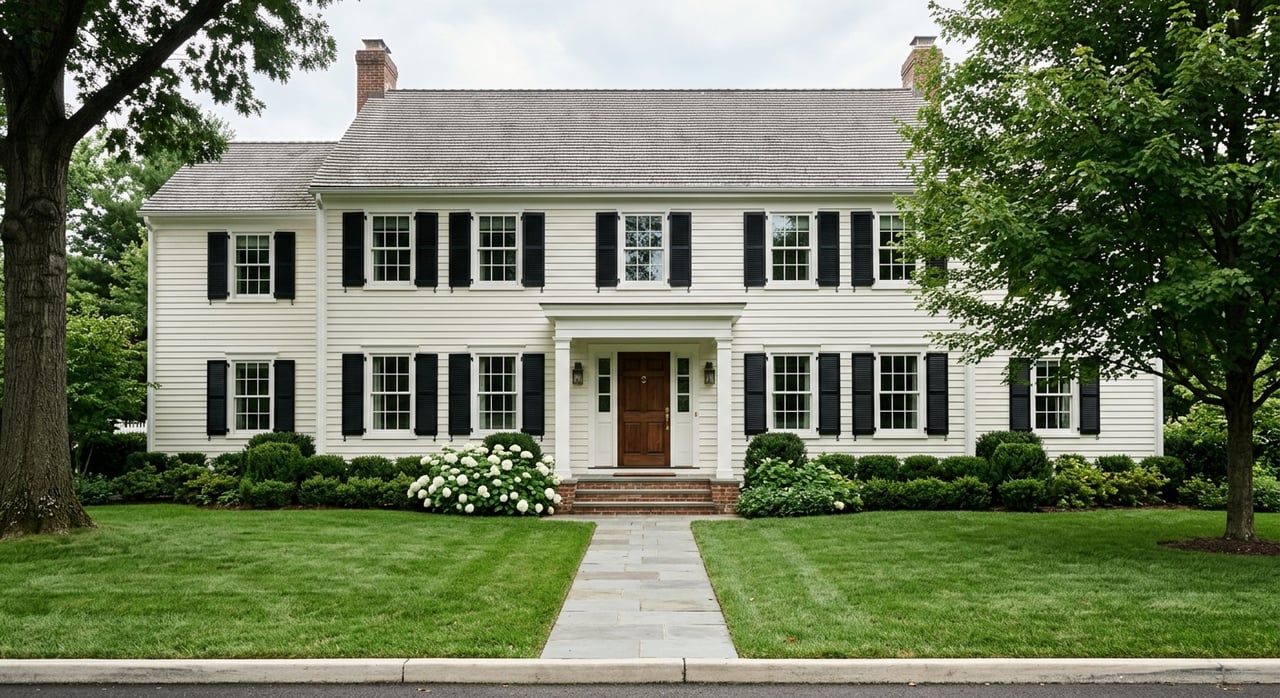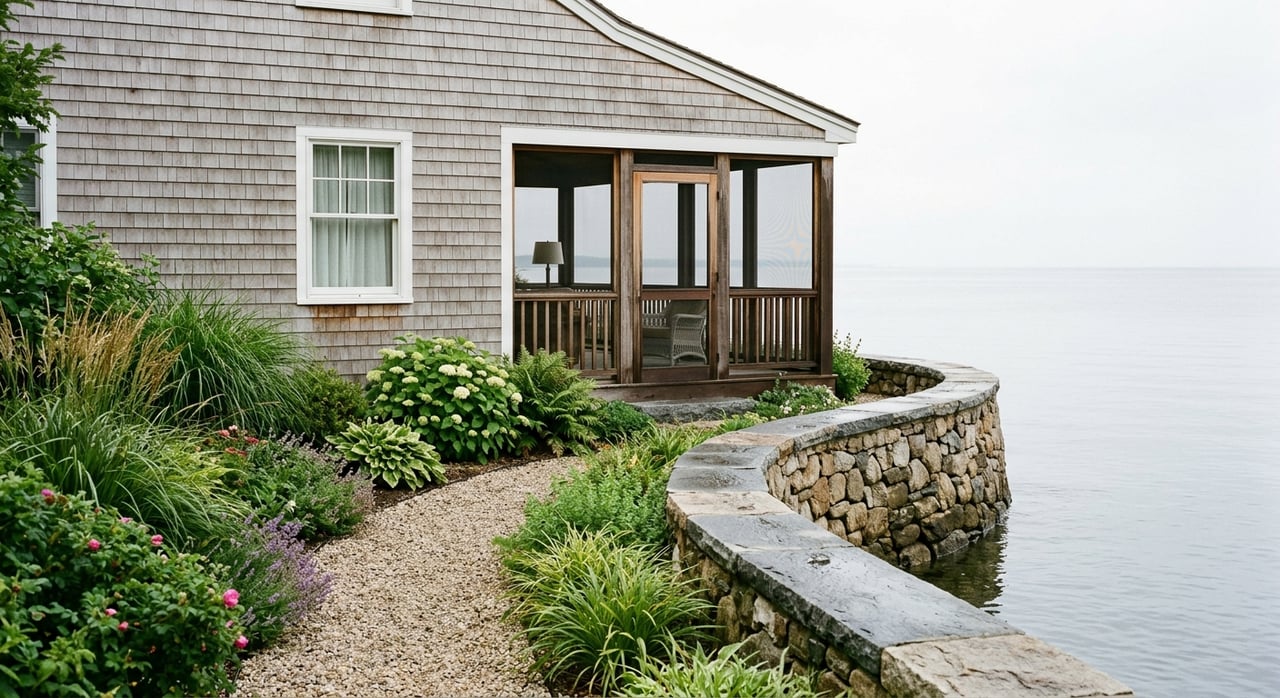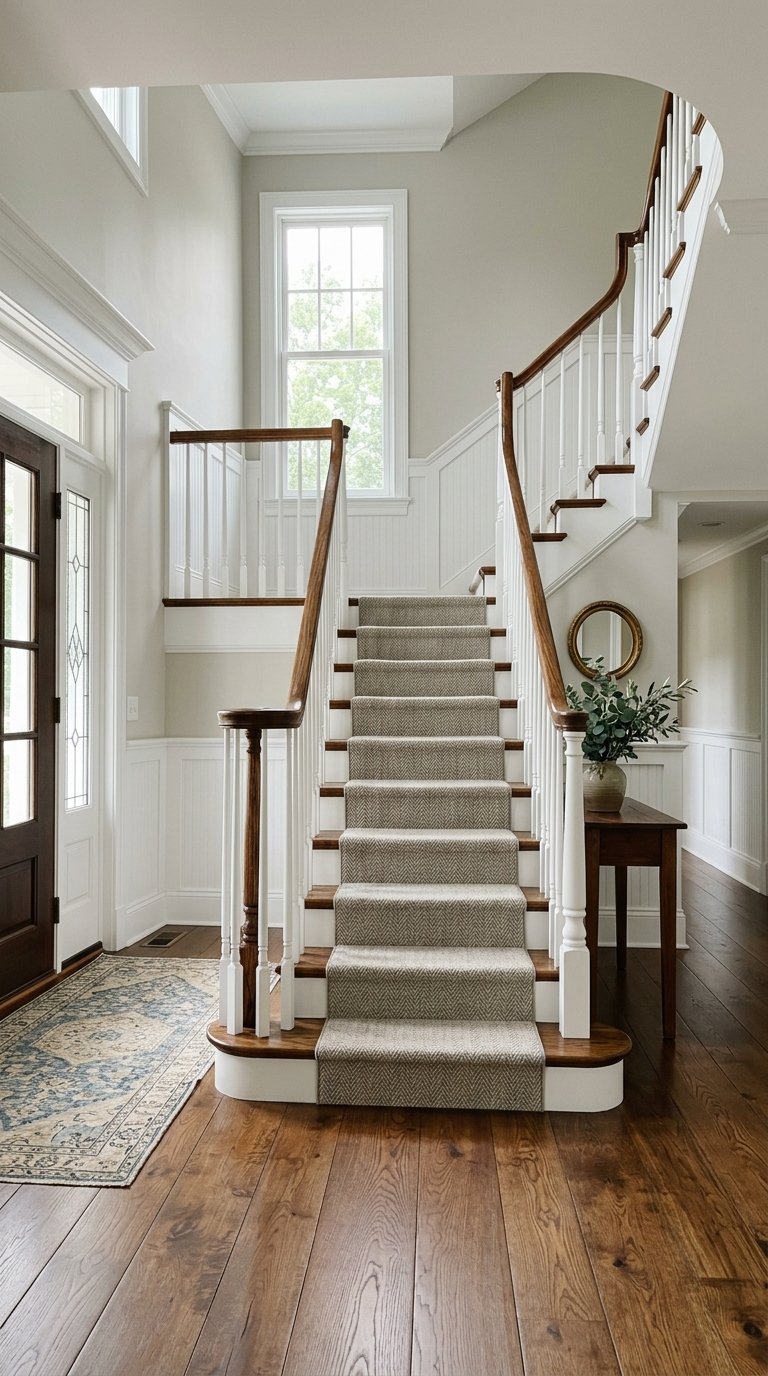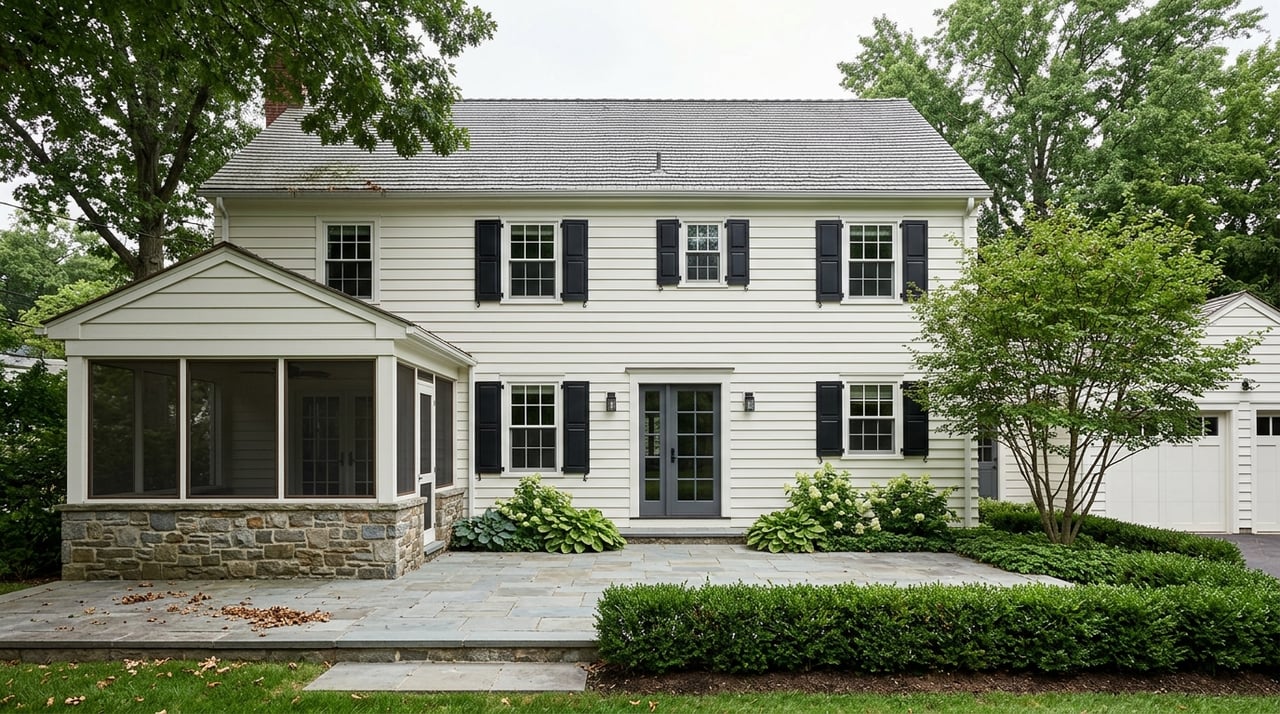
Trying to time the market in Riverside or Old Greenwich can feel like guessing the weather. You want top dollar, a smooth closing, and the right buyers walking through on day one. The good news is there are clear seasonal patterns, plus a few local signals that help you choose with confidence. In this guide, you’ll get a practical timeline, a season‑by‑season playbook, and a simple decision framework that fits your life and property. Let’s dive in.
The short answer
Spring is your strongest bet. Across the country, the buyer pool swells from March through June, with mid‑April often performing best for visibility and price outcomes. In Greenwich, that momentum usually carries into early summer as families aim to move before the next school year.
That said, your ideal week depends on your goals, your property, and your life calendar. In the luxury segment, qualified buyers shop year‑round. If you need speed or have a waterfront home with standout outdoor spaces, you can still win in other seasons with the right strategy.
What local data says right now
Greenwich remains a low‑inventory, luxury‑tilted market. Townwide reports from the Greenwich Association of Realtors show high single‑family medians and lean active supply through 2025, which supports strong pricing and faster sales when a listing is positioned well. You can see that town backdrop in the association’s monthly summaries, including the June 2025 results that highlight constrained inventory and robust buyer activity across price bands. Greenwich Association of Realtors reporting is a reliable pulse check.
A quick note on zip codes. Old Greenwich is 06870 and Riverside is 06878. Zip‑level medians can swing a lot month to month because each sale is a big share of local volume. Use town reports and a fresh CMA the week you list to avoid overreacting to a small sample.
Seasonal windows in Riverside and Old Greenwich
Spring (March to June)
This is the classic sweet spot. Buyer traffic and online activity jump, lawns green up, and outdoor spaces photograph beautifully. If your goal is to maximize exposure and price, target early to mid‑April so your first two weeks on market ride that surge. Local market commentary also calls Greenwich one of the region’s most resilient and competitive luxury markets, which supports confident spring launches for well‑prepared homes. You can read that context in this industry report on Greenwich’s recent performance: Greenwich remains a resilient, competitive market.
What to emphasize: fresh landscaping, staged decks and patios, and any seasonal amenities that show how the home lives when the weather turns. Waterfront features in Riverside and Old Greenwich tend to shine with spring photography.
Early to mid‑summer (June to July)
Summer stays active, especially for buyers who want to move over school break. If you prefer a June or July closing, plan to list in April or May. That timing allows for typical financed closing timelines and gives families time to settle before the fall term. If school alignment matters to you or your likely buyer, keep an eye on the Greenwich Public Schools calendar when you set your dates.
Fall (September to October)
After summer travel, buyers refocus. Fall usually brings fewer total showings but a higher share of serious house‑hunters. There may also be less competition if some sellers paused for summer. You need tight pricing and polished marketing in this window, but it can be productive for well‑prepared homes. Local lifestyle coverage echoes that fall is workable in Greenwich with the right approach: What season works for selling in Greenwich.
Winter and off‑peak (November to February)
Showings slow, but buyers who are out tend to be motivated. Job changes, relocations, and life events still drive deals. Trophy or highly unique properties can perform in winter with targeted outreach, discreet pre‑market exposure, and private showings for qualified prospects. If your home stands out and you value buyer quality over volume, winter can work with a tailored plan.
Neighborhood nuance: Old Greenwich vs Riverside
Old Greenwich
Village‑center homes benefit from walkability, shops and dining, and fast access to the Old Greenwich Metro‑North station. Commute‑oriented buyers often schedule showings around work hours and train schedules, so consider weekday afternoon launches and twilight showings when appropriate. Station details, including platform and parking context, are available in this state report: Old Greenwich station overview.
Homes near the village and beach tend to show best in spring and early summer, when outdoor living and neighborhood energy are easy to feel during a tour.
Riverside
Riverside combines quiet residential streets with its own Metro‑North stop and quick access to the Post Road and I‑95. Families often plan around school and commute logistics, so spring launches with June or July closings are common. If your Riverside property has water views or outdoor amenities, seasonally refreshed photography is worth the effort.
Start with your life calendar
The right week to list is the one that supports your life and financial goals. National profiles show many sellers move for life events like new jobs, family needs, or changes in household size. The buyer pool is also older and more repeat‑buyer heavy than in past decades, which means a higher share of cash and flexible buyers who shop across seasons. See the latest national snapshots here: NAR buyer and seller trends.
If you need to close before a certain date, work backward. Typical financed closings in Connecticut often take about 30 to 60 days from offer to keys, with cash closing faster. If school timing matters, align possession with the district calendar. If taxes or reassessments are a concern, consult the Town’s Real Estate resources for dates and forms: Greenwich Real Estate and assessment.
A simple timing framework
Use three questions to pick your window.
- What is your non‑negotiable timeline?
- If you must be out by midsummer, target an April listing to land a June or July closing.
- If you are flexible, consider mid‑April for maximum buyer traffic and optionality.
- What do you value most: price, speed, or buyer fit?
- For maximum price and broad exposure, list in April or May and allow a full two to three weeks of marketing before considering offers.
- For speed, price tightly to recent comparable sales and launch in a high‑traffic window, usually spring. Be ready to negotiate timing and offer possession flexibility.
- For buyer quality on a unique or luxury home, focus on curated outreach, private tours, and a longer runway, which can work well even in late fall or winter.
- What kind of property are you selling?
- Waterfront and outdoor‑amenity homes show best in spring and early summer. Invest in seasonal photography and stage patios, docks, and gardens.
- Village‑adjacent homes benefit from daytime energy and commute convenience. Plan showings to highlight train access and daily rhythms.
- Larger estates or one‑of‑a‑kind homes may call for targeted, year‑round marketing to the right buyer pool rather than waiting for peak traffic.
Your pre‑listing timeline and checklist
Here is a realistic prep calendar if you want to hit a spring launch. Adjust the dates to fit your target window.
- 8 to 12 weeks out: Evaluate needed work. Get quotes for repairs, refinishing, and any value‑add improvements you are considering. Larger projects may shift your list date, which is fine if the ROI is clear.
- 4 to 8 weeks out: Tackle cosmetic prep. Declutter, deep clean, touch up paint, update lighting where it makes sense, and refresh landscaping for curb appeal. Set your staging plan and schedule trusted vendors.
- 2 to 3 weeks out: Book professional photography and floor plans. Finalize disclosures and assemble a clean due‑diligence package. Consider discreet pre‑market exposure or broker previews to warm up demand.
- Launch week: Go live early in the week to maximize first‑weekend traffic. Monitor feedback daily and adjust marketing elements quickly.
- Offer to close: Plan for 30 to 60 days for a financed closing. Coordinate possession with the buyer’s logistics and key dates like school calendars. For tax or revaluation questions, check the Town assessor pages: Town Real Estate resources.
Pre‑listing documents to gather:
- Utility statements and any recent service records.
- Permits and completion docs for past renovations.
- Septic, well, survey, or flood disclosures if applicable.
- A concise features sheet and list of recent updates.
- School attendance zone confirmation if buyers ask for it.
How we help you time it right
You get more than a list date. You get a strategy. Our approach blends polished, concierge‑level execution with development‑minded advisory, so you launch when your home and the market are ready. Here is what that looks like:
- Data‑driven pricing. We pair Greenwich Association of Realtors trends with a same‑week CMA so your price reflects what is moving now, not last quarter.
- Smart prep and value‑add advice. We help prioritize repairs and improvements, connect you with vetted vendors, and stage to your buyer profile.
- Strategic launch planning. We time photography to the season, coordinate pre‑market outreach, and schedule showings around commute and family rhythms.
- Targeted buyer access. Through Brown Harris Stevens and our NYC networks, we reach commuter and luxury buyers who shop beyond peak weeks.
Ready to talk timing, pricing, and the best path for your home? Reach out to Capeci and Schwabe for a complimentary consultation.
FAQs
What is the best month to list a home in Riverside or Old Greenwich?
- Spring performs best on average, with April often delivering peak visibility and strong outcomes, but your ideal month depends on your goals and property.
How far in advance should I start preparing my home to sell?
- Start 8 to 12 weeks before your target list date to scope repairs, then use the final 4 to 8 weeks for cosmetic prep, staging, and marketing readiness.
How long does it usually take to close on a home in Connecticut?
- Many financed transactions close in about 30 to 60 days after offer acceptance, while cash deals can close faster depending on due diligence.
Should I wait for spring if I have a high‑end or waterfront property?
- Not necessarily; these homes can sell year‑round with targeted marketing, seasonal photography, and curated outreach to qualified buyers.
Do Greenwich school calendars affect the best time to list?
- Yes for many families; listing in spring can support June or July closings that align with the district calendar for a summer move.
What if I need to sell quickly?
- Price tightly to recent comps, launch in a high‑traffic window like spring, and offer flexible terms such as adjusted possession to reduce friction for buyers.